YachtCharterFleet’s editorial team had the privilege of meeting the islanders native to a remote islet off the coast of Tanzania, in East Africa and observing a traditional fishing excursion.
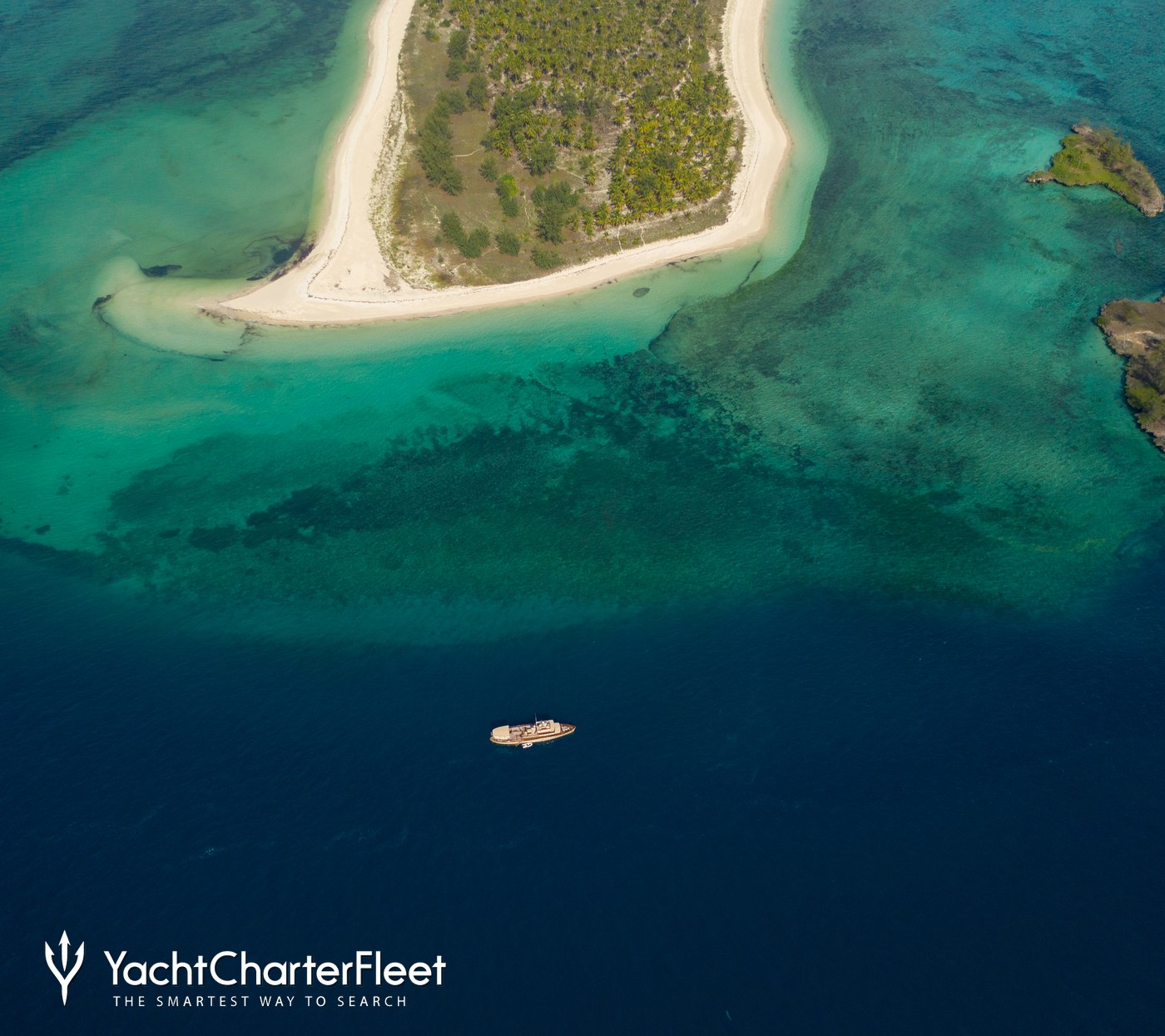
Located just a few kilometres west of Mafia Island, Bwejuu Island is a thin strip of land roughly 18 square kilometres in size with 400 inhabitants in total- 300 of which are children.
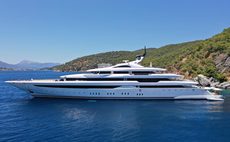
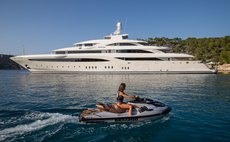
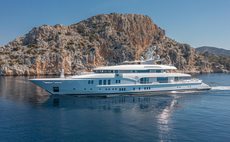
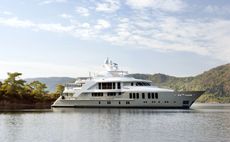
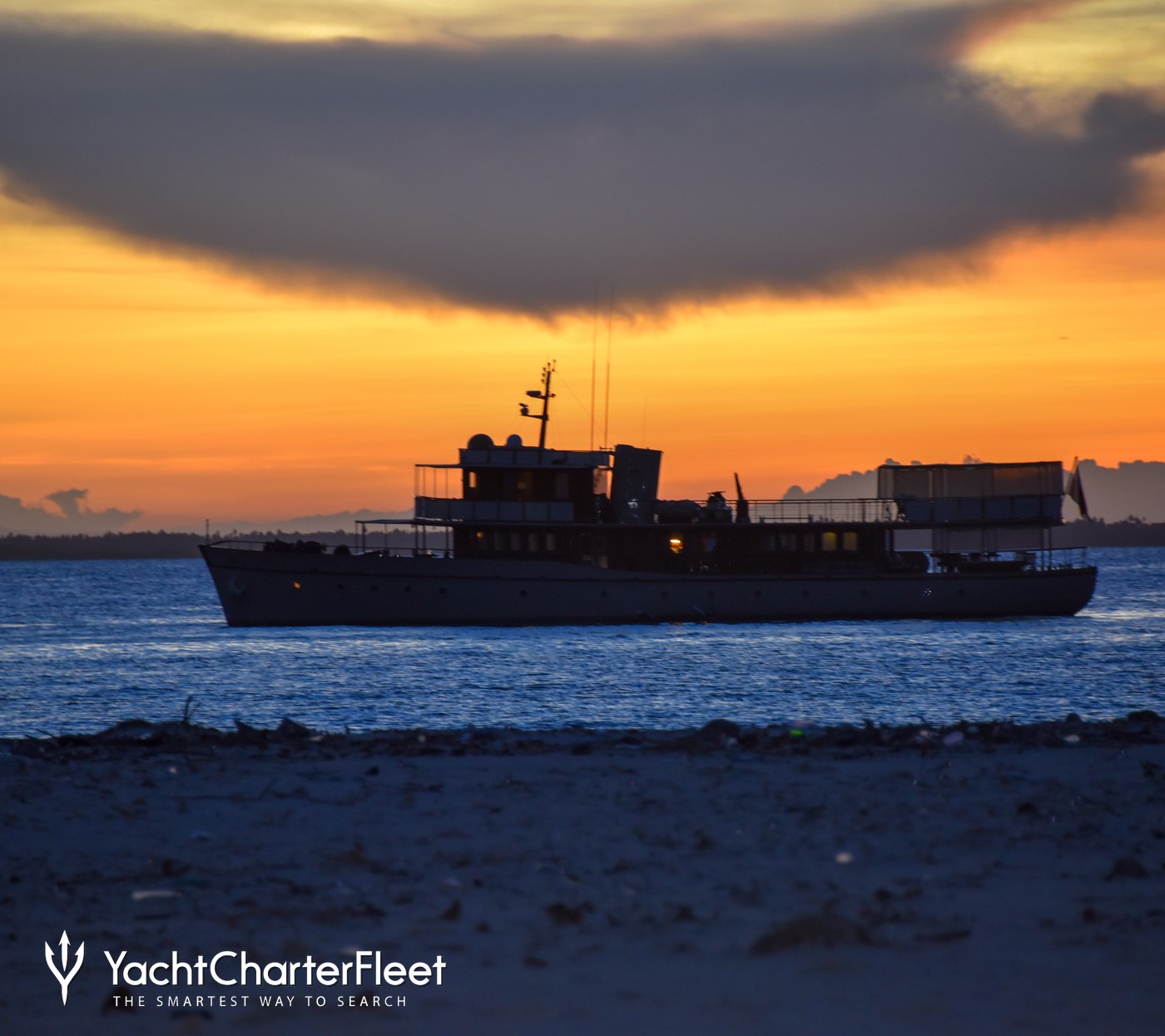
During YachtCharterFleet's Tanzania yacht charter on board the 35m/115ft motor yacht ‘Over the Rainbow’, we were given the opportunity to come on shore, tour the island, and take part in a fishing excursion.
While the native people have extremely limited contact with tourists, the yacht's Captain has been given exclusive access to the island by the Chief, thus allowing charter guests to visit the island, meet the local people and observe their local customs and traditions.
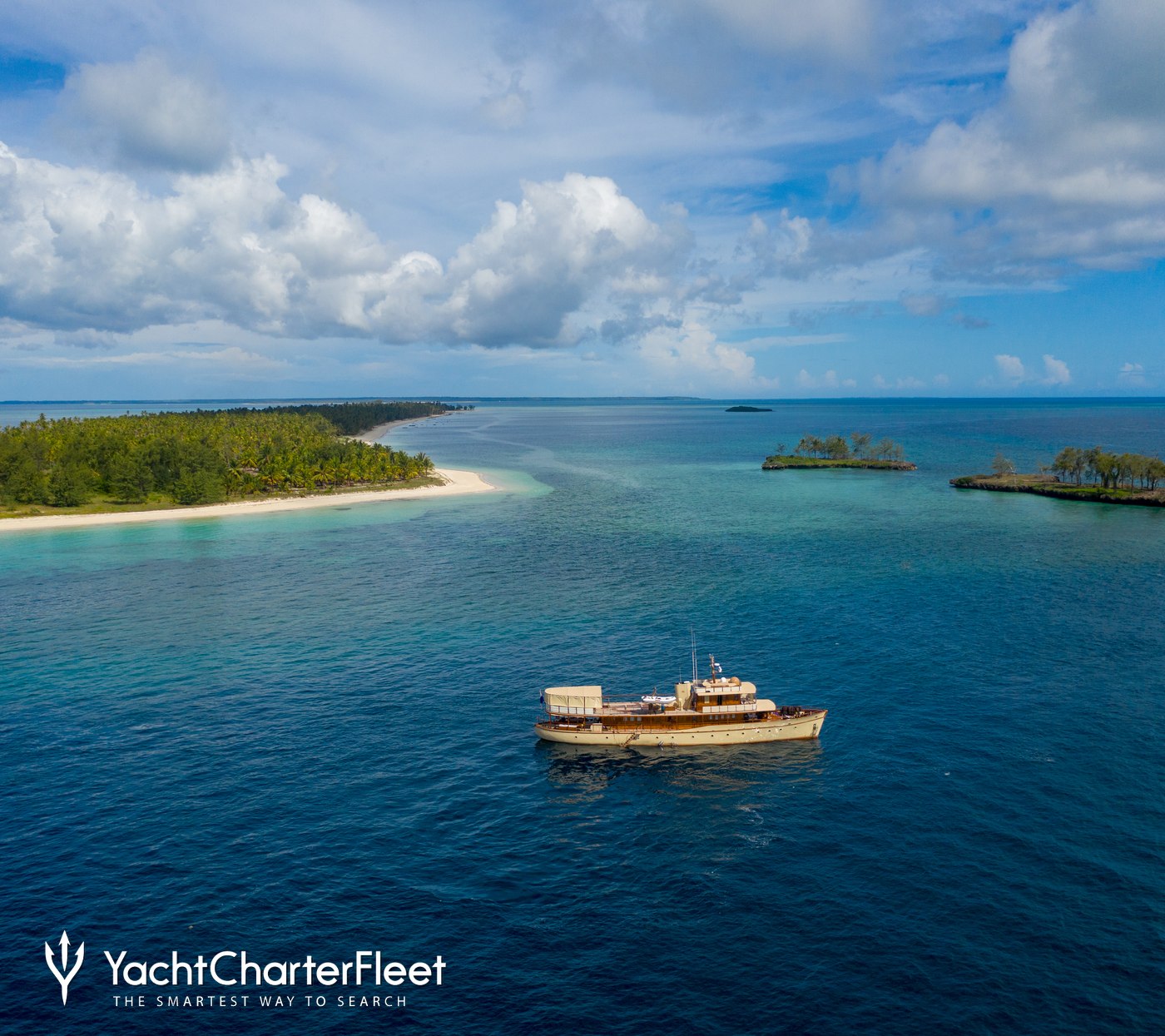
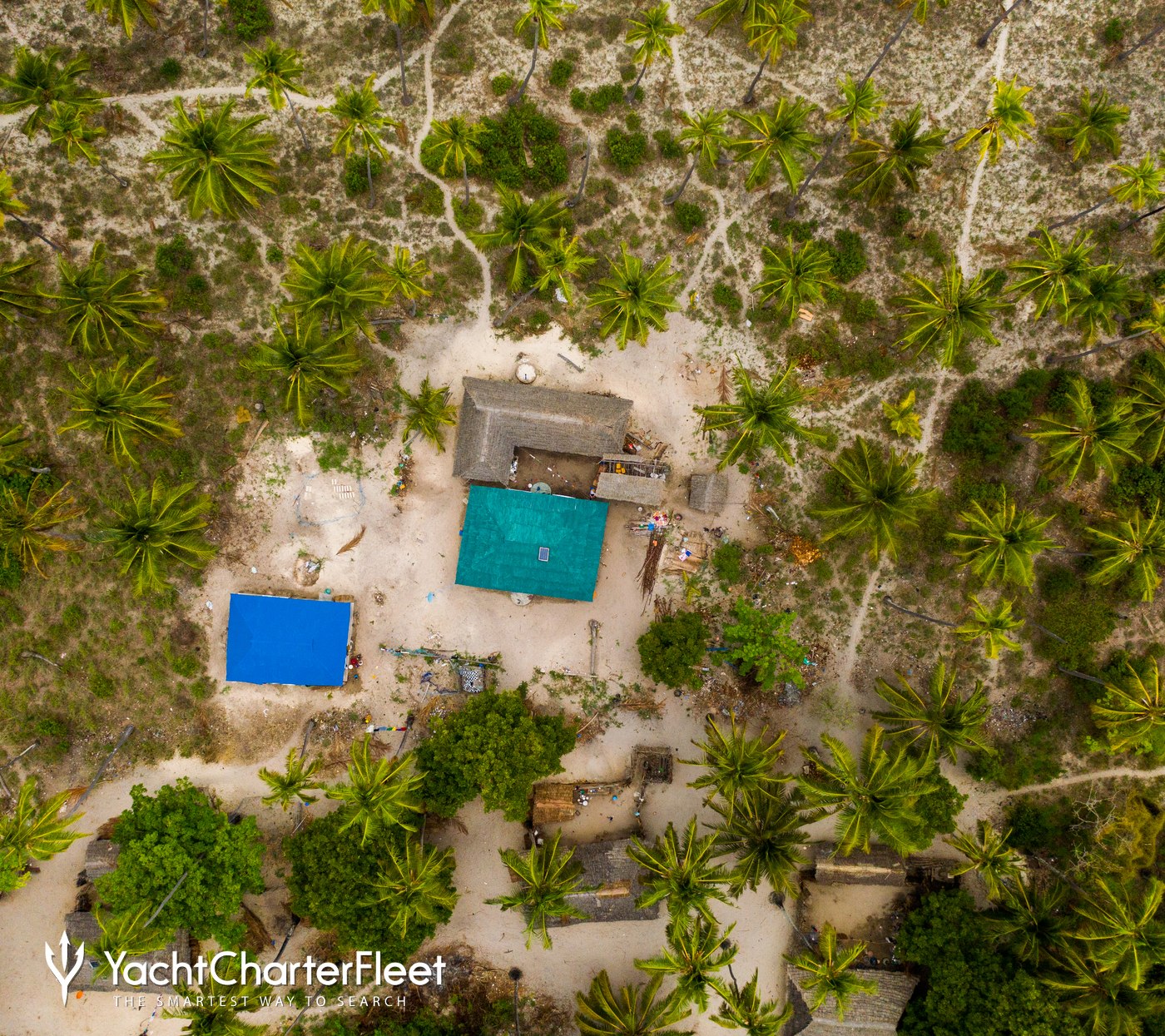
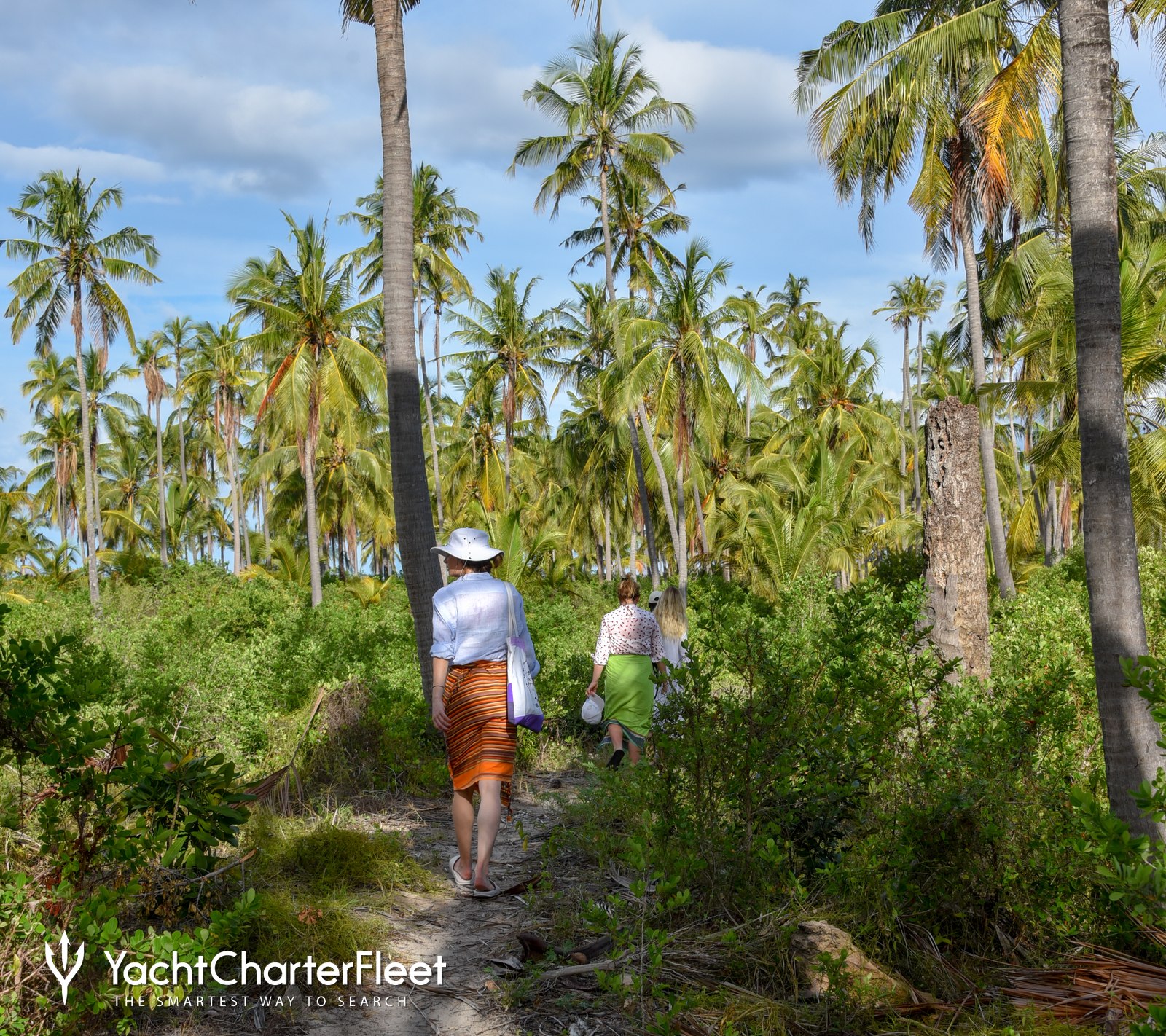
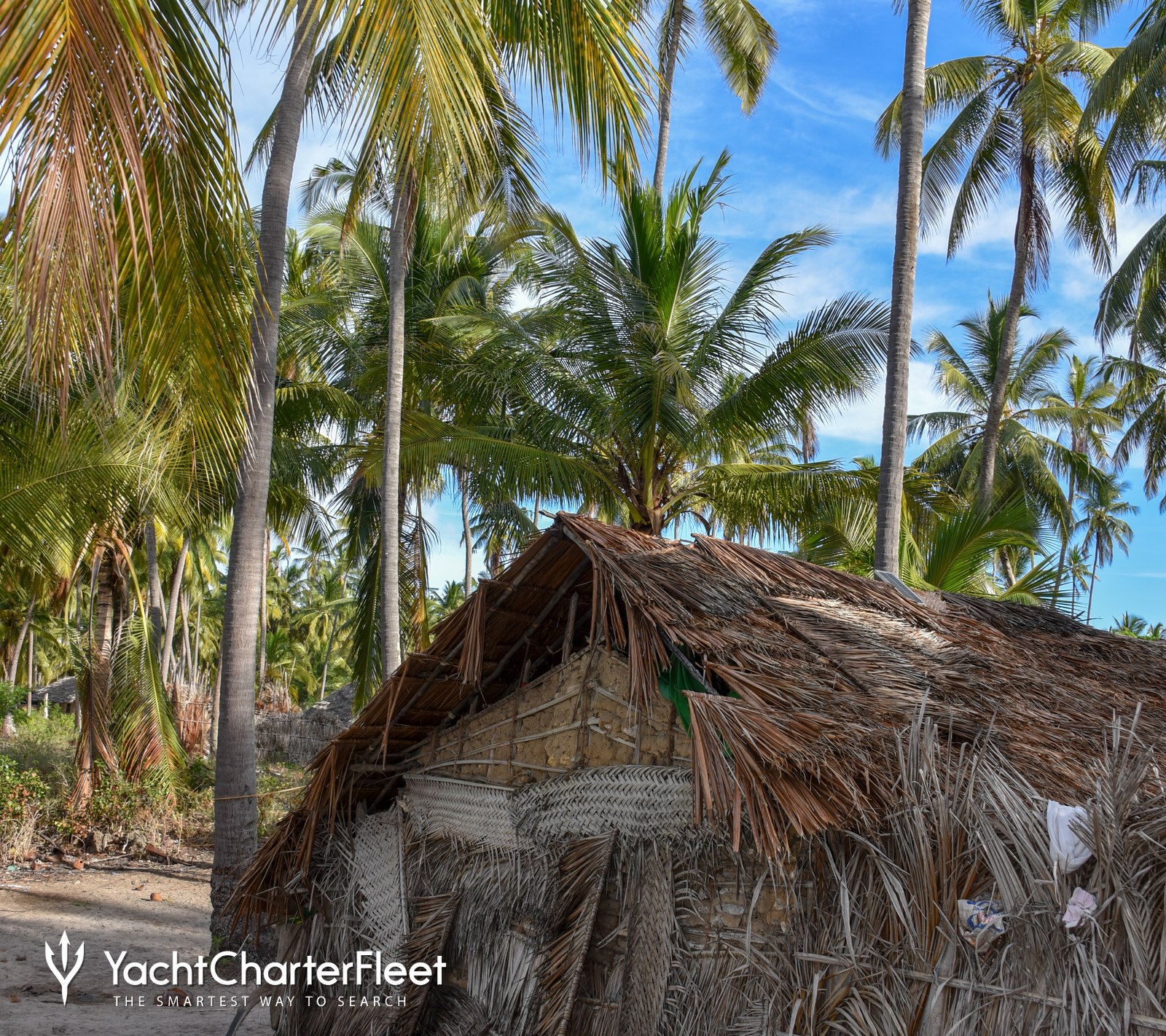
We are given the opportunity to visit the island, meet the local people and observe their customs and traditions.
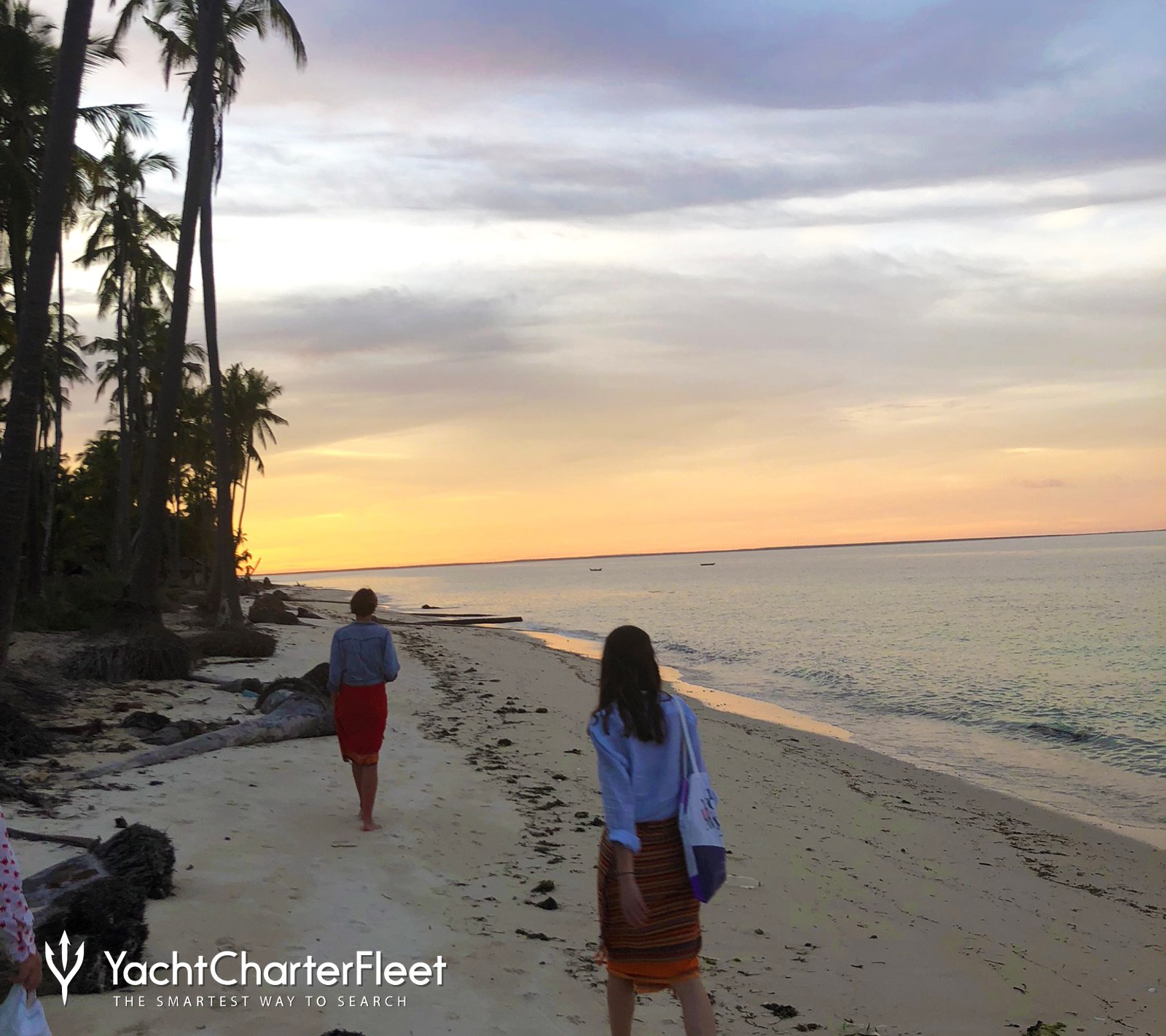
On the beach, guests are met by tour guides from the neighbouring island of Mafia, who have a good grasp of English and are able to give some useful insight into what to expect from Bwejuu Island.
The dominating religion is Islam, and all visitors must dress appropriately with their shoulders and knees covered at all times. If guests meet the Cheif, they must bow down to him.
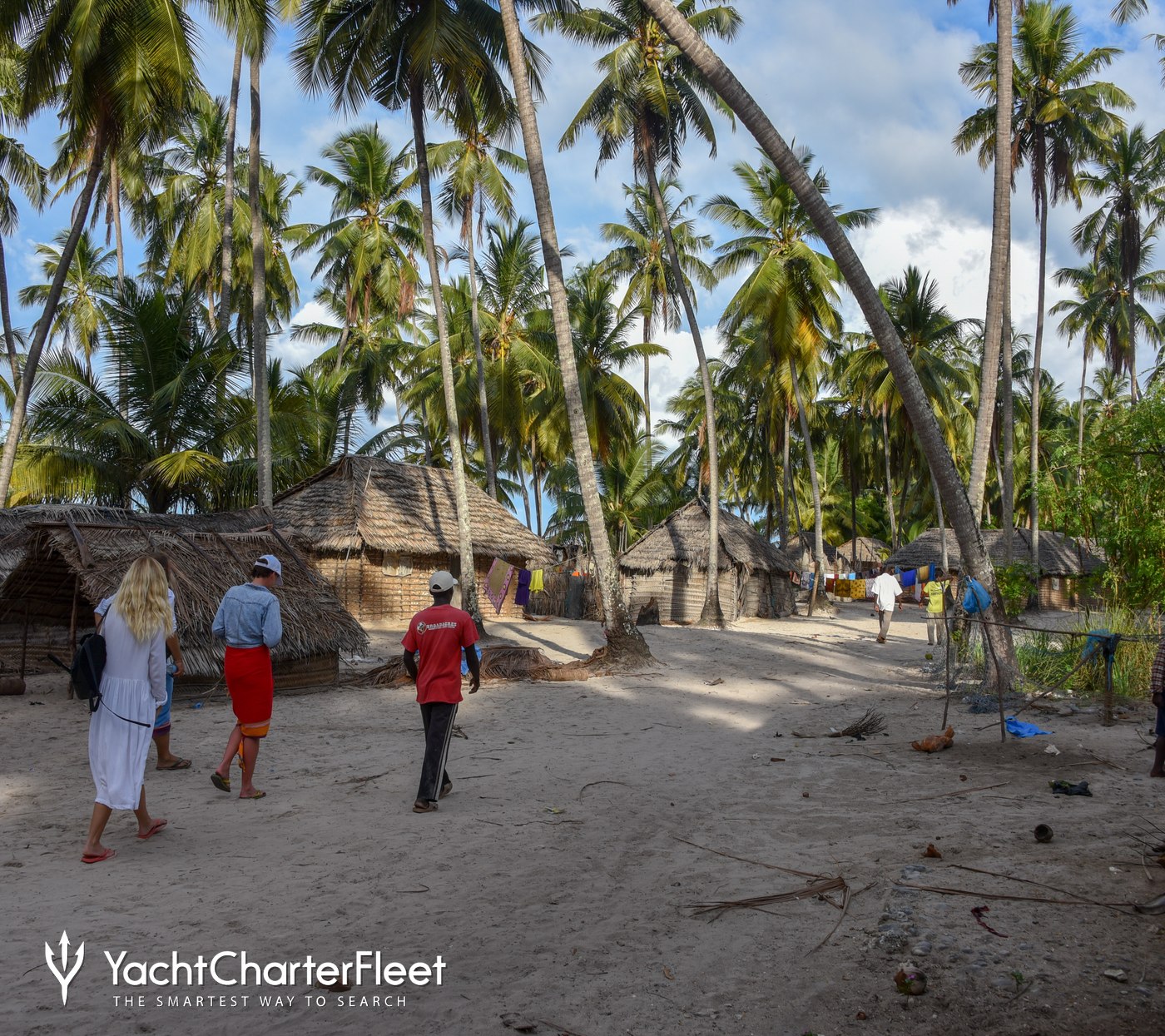
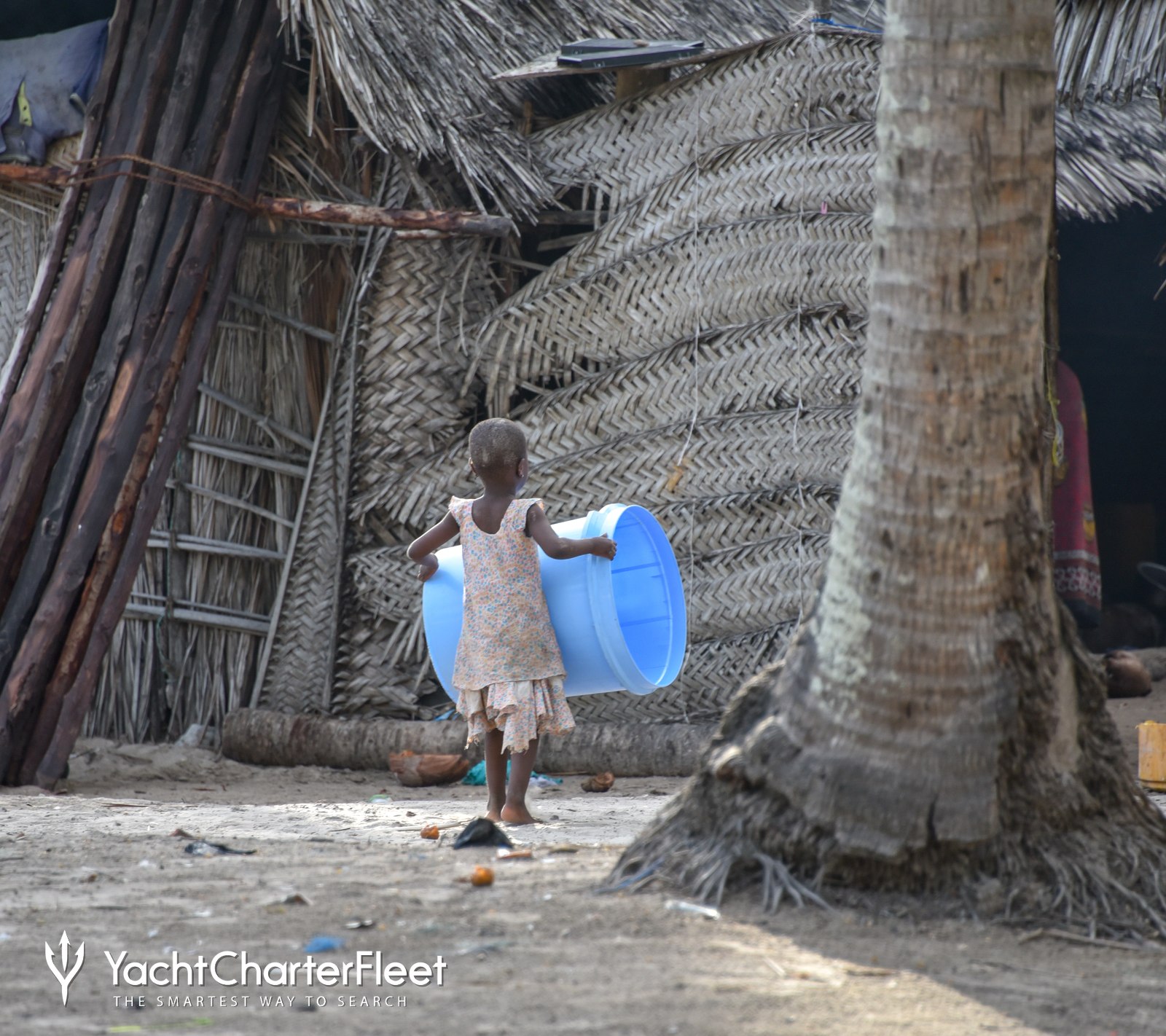
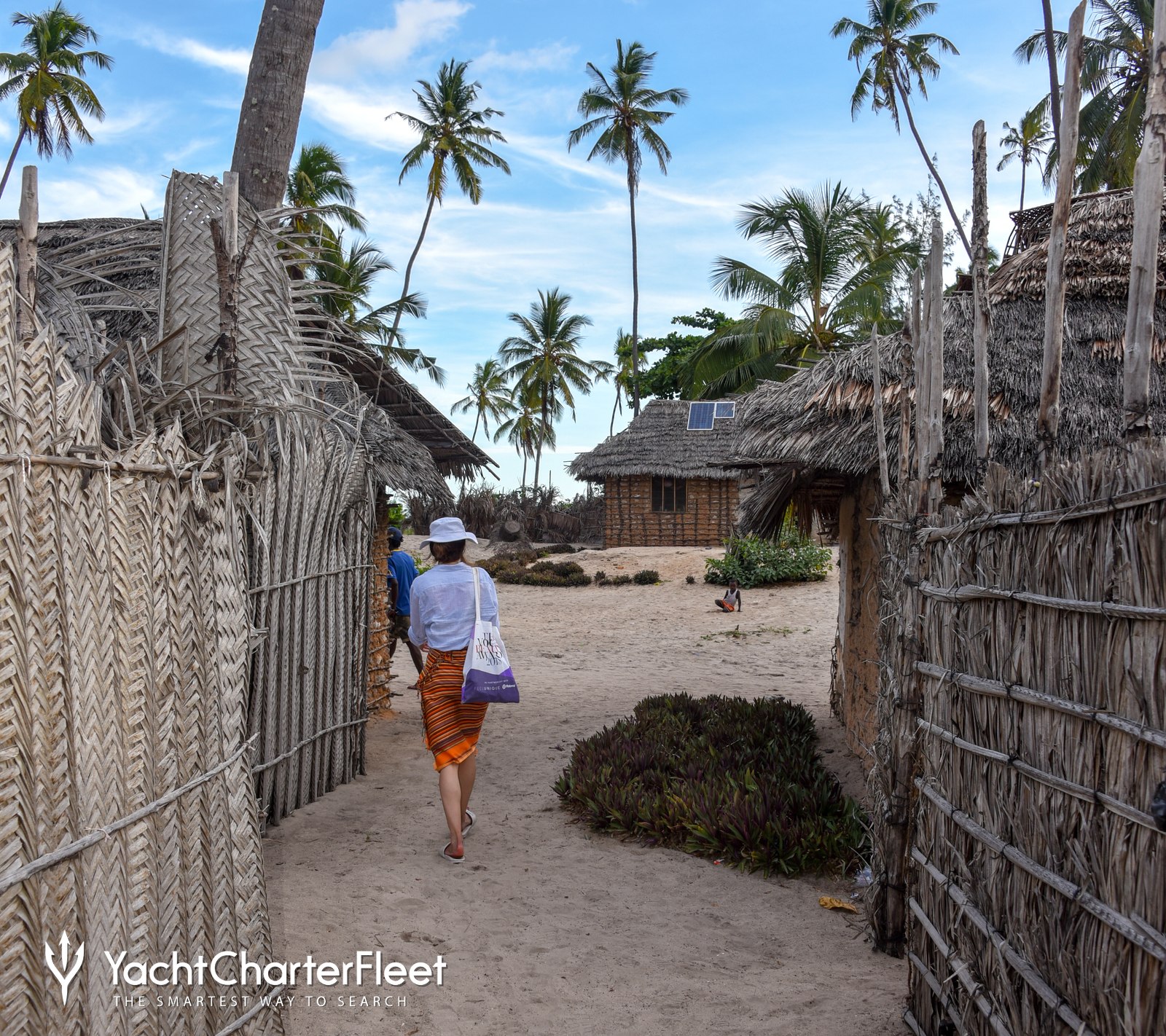
From the beach, a sandy path leads through the wild jungle into the fishing village. Coconut palms grow densely, here, and the coconuts are not only an important source of food for the islanders; their husks are also extremely valuable for making fishing rope.
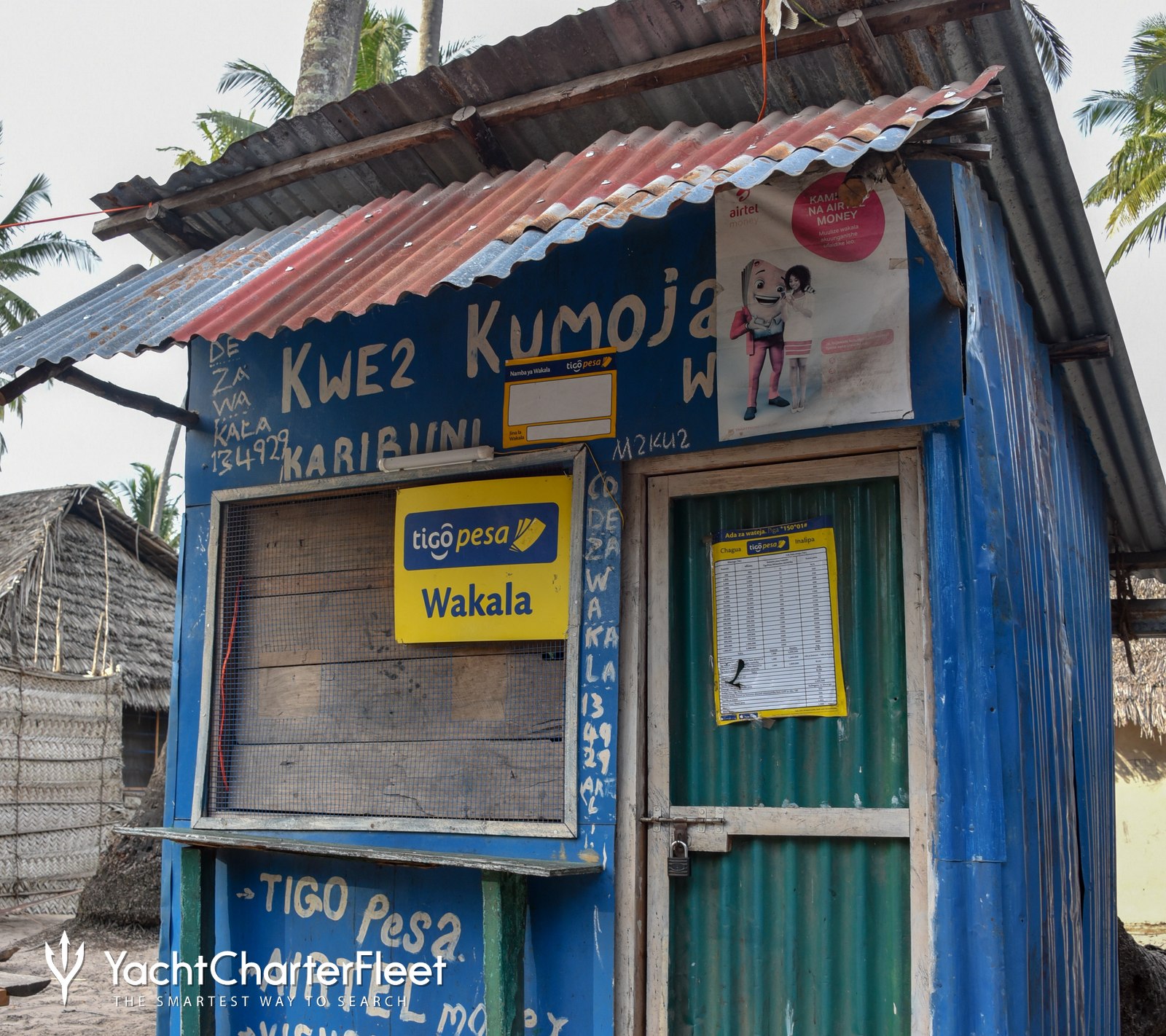
The village is rustic, with buildings made out of plaster and thatched materials. There are a few buildings made out of corrugated tin, including a mobile network shop. While only a handful of the villagers have mobile phones, the island managed to get network coverage from local providers a few years ago.
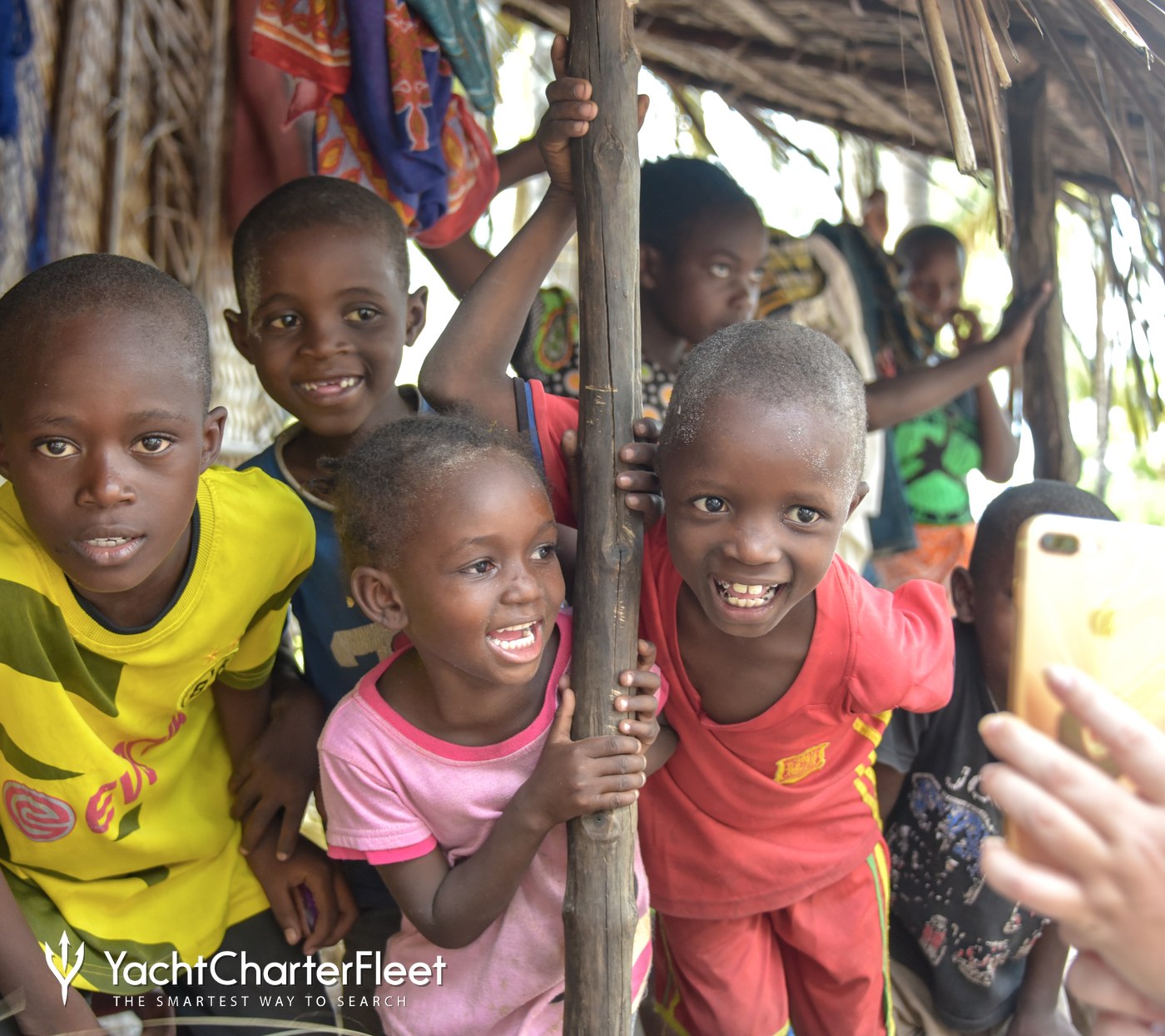
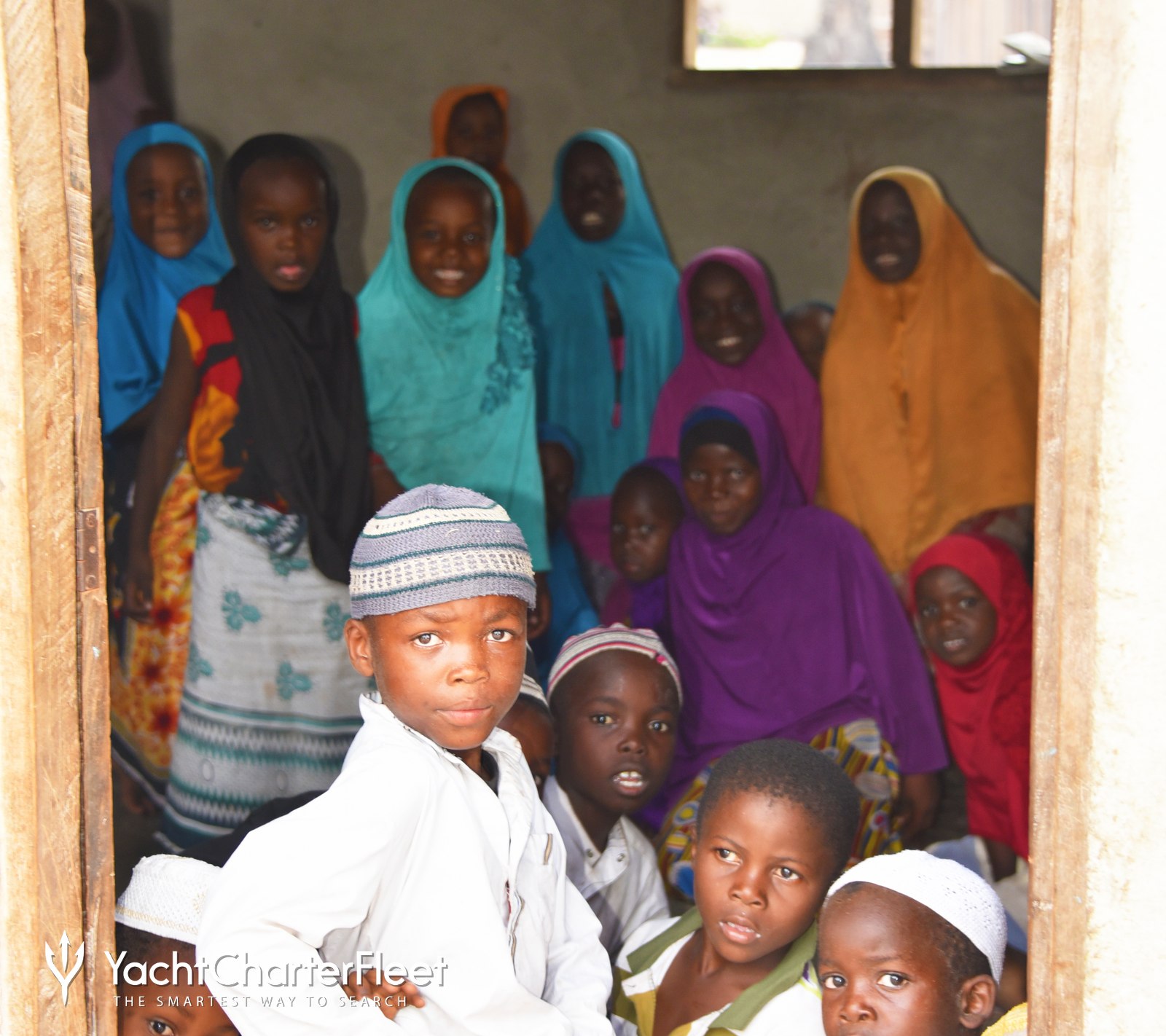
In spite of the language barrier, the people of the island are warm, friendly and keen to share their way of life with visitors.
Our tour guide took us to the local mosque; a single-storey, white-plaster building made up of two rooms. Here, we were given the opportunity to watch the local children sing, dance and play instruments in a traditional Swahili style.
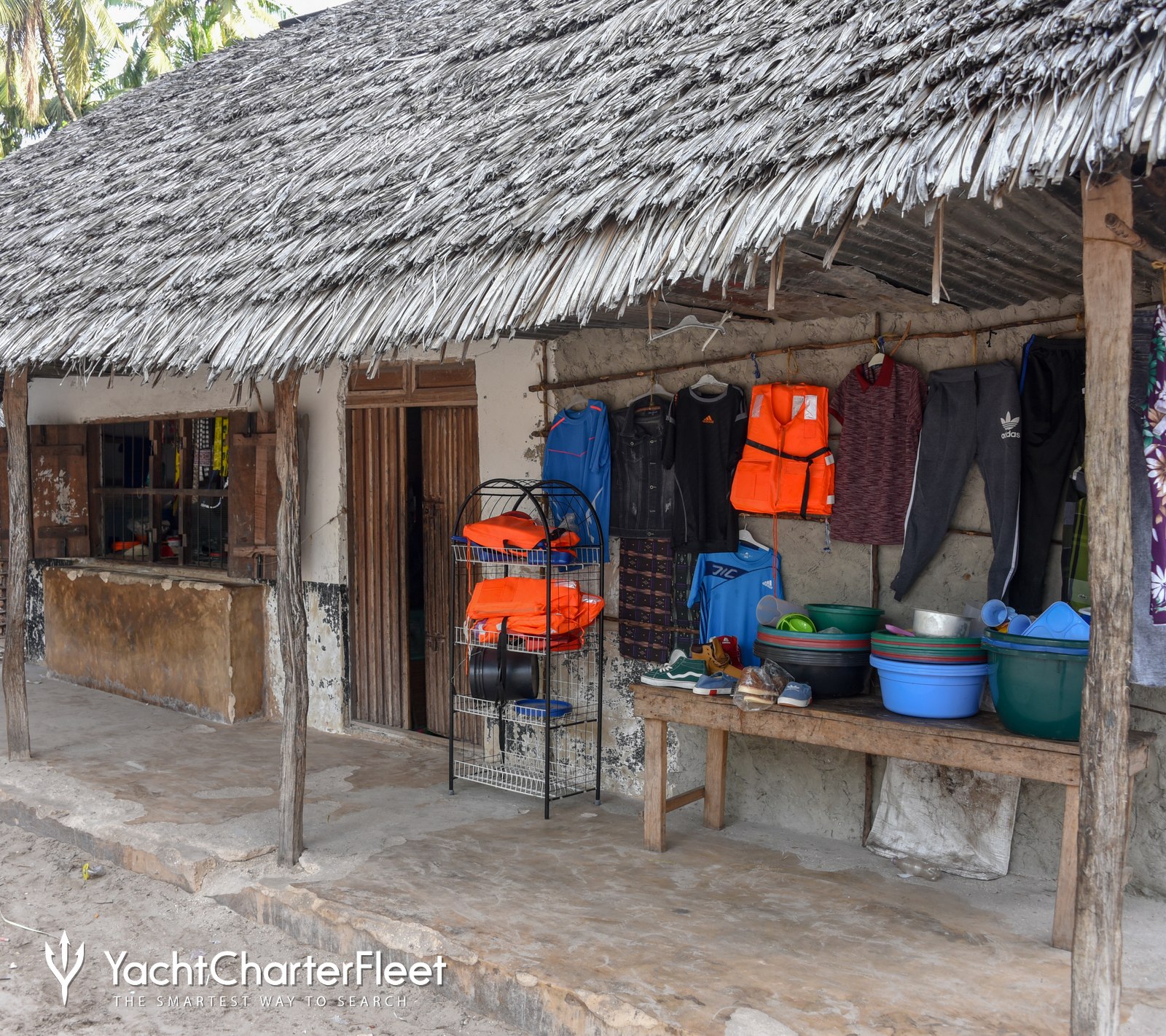
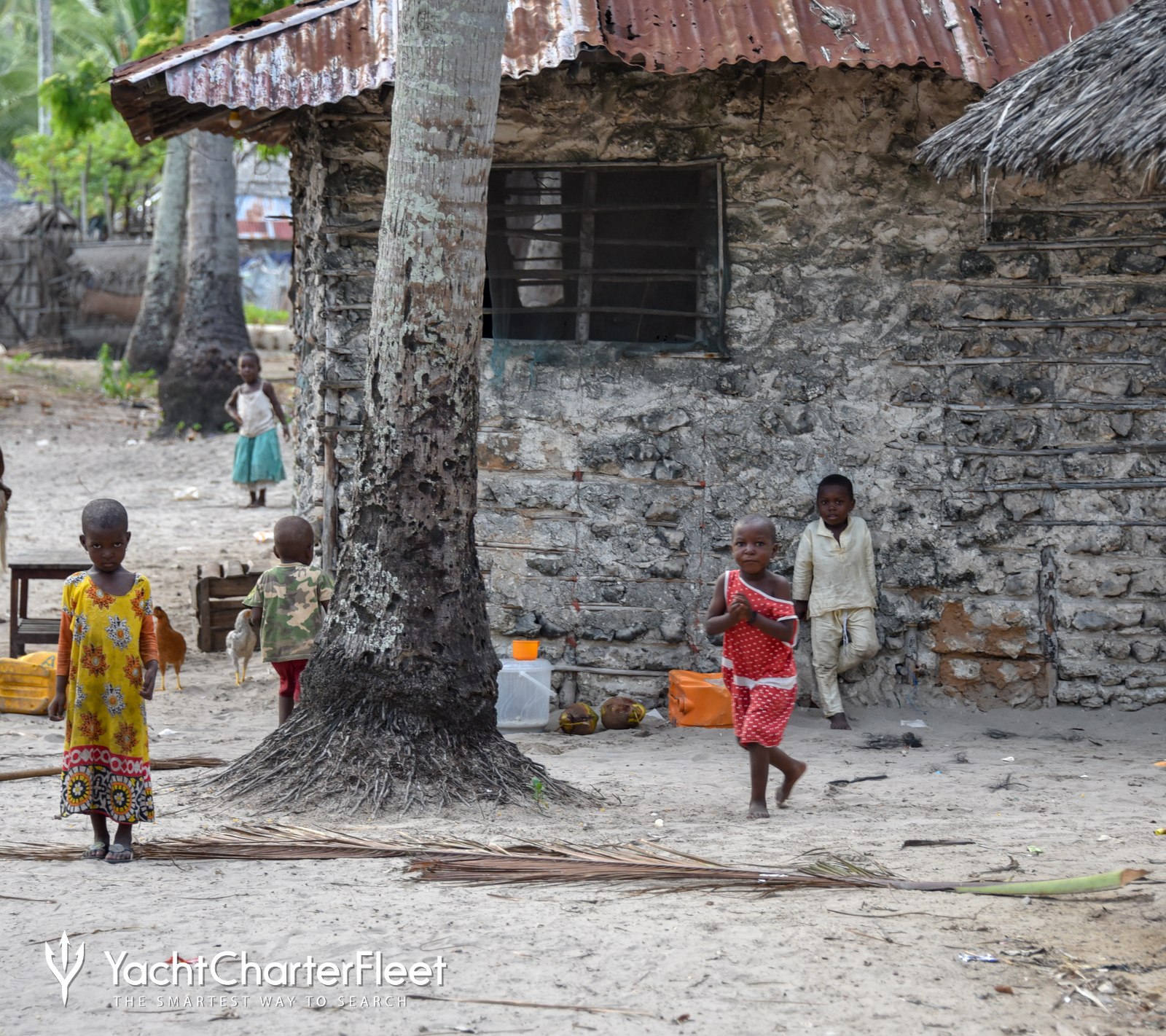
The village has a single shop, where the locals can buy second-hand clothes, dry food and fishing equipment.
Next to it, there is a communal building made out of thatching, where the island's only television is located. It is reserved for watching football games, and a chalkboard outside the building displays the dates and times of upcoming matches. Football is a very popular sport on the island, and a clearing on the northern portion of the island serves as a football pitch.
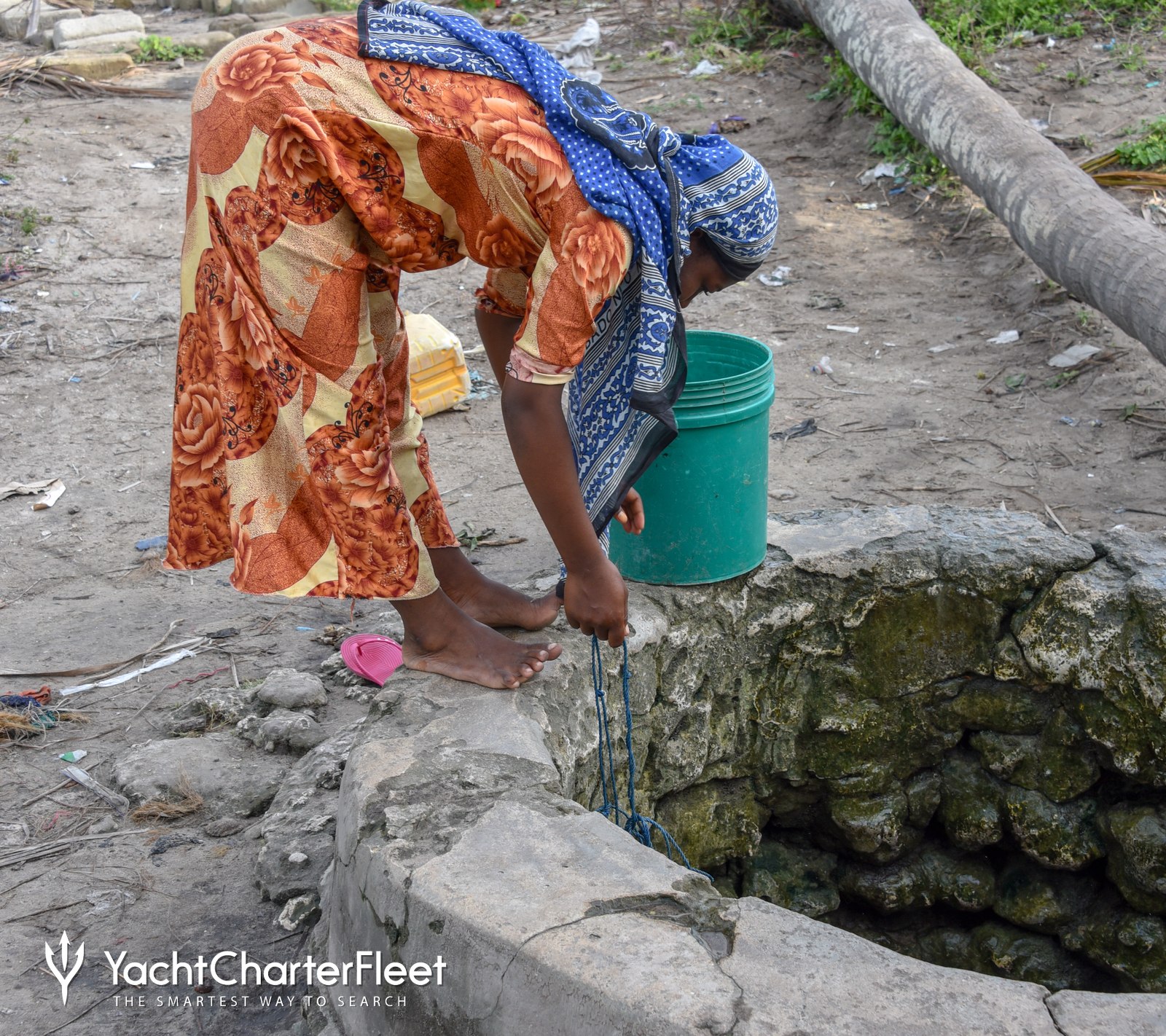
Wells supply the island with water, as does a rudimentary structure which gathers rainfall. While the men of the island typically fish and harvest coconut using machetes, the woman can be seen using large containers to bring water back to their homes.
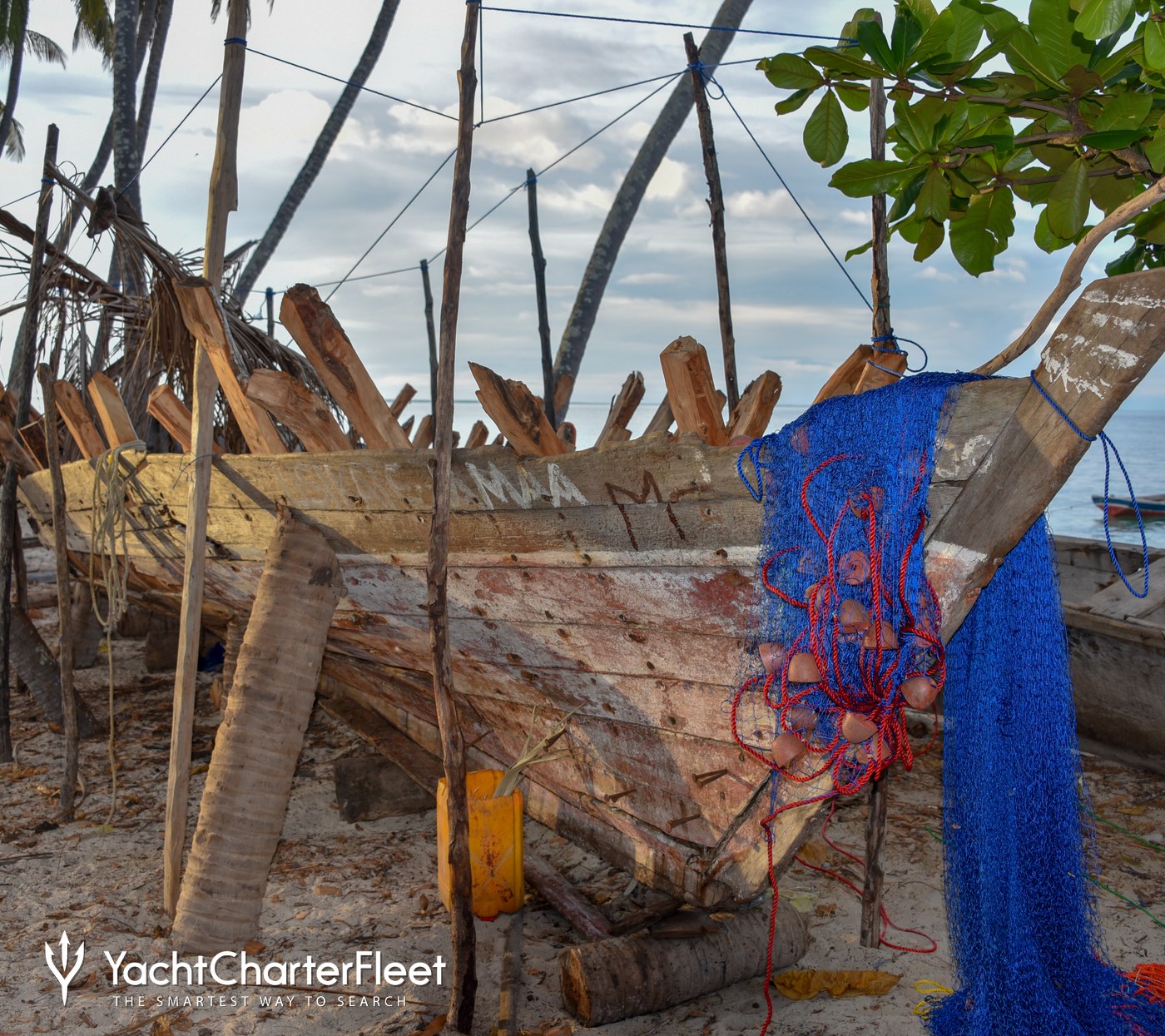
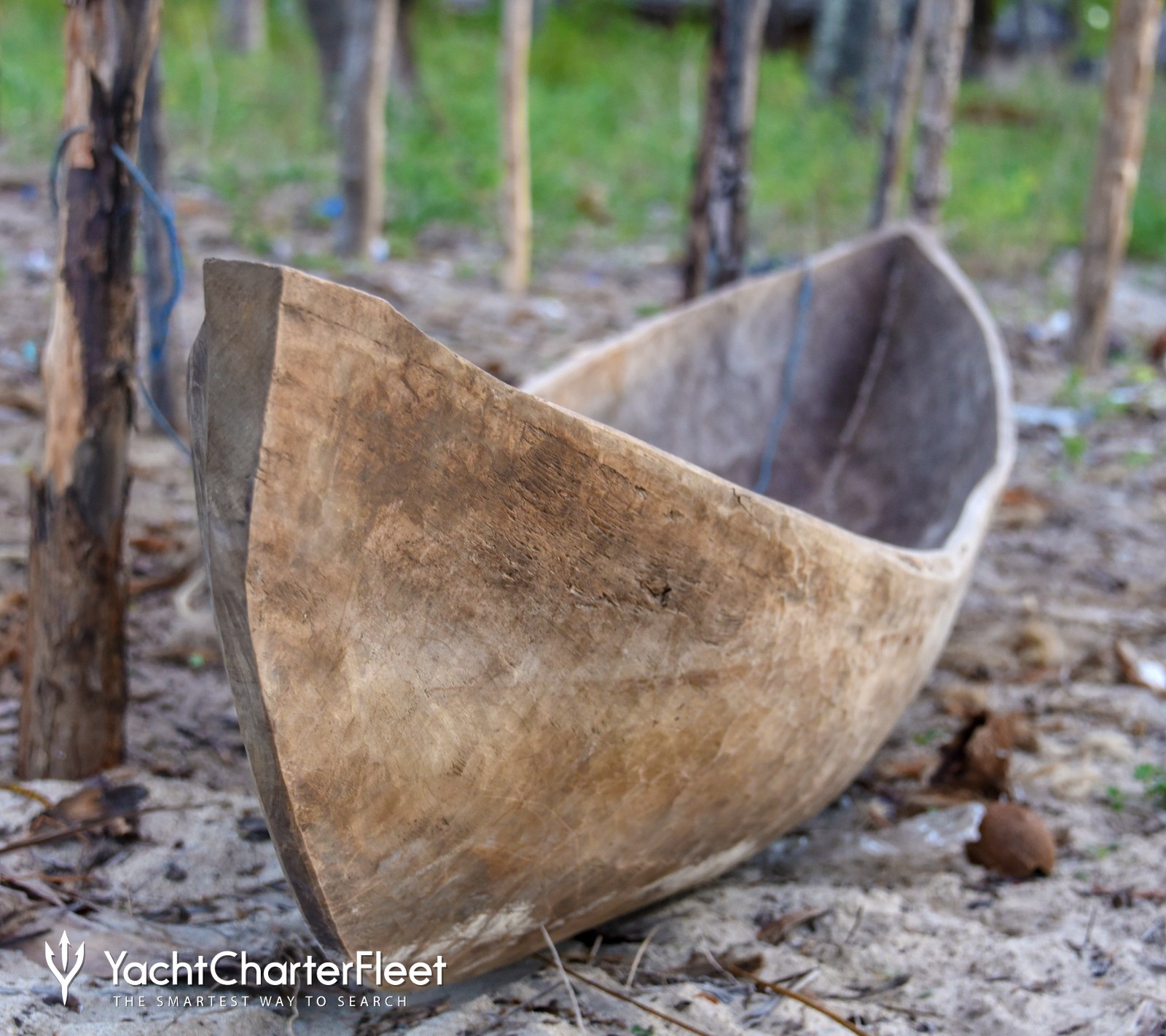
After spending the night on the yacht, we are invited back the next day to observe the local boys fishing using metal spears. Spearfishing is one of the most sustainable methods of fishing, as it ensures fishermen only catch as much as they need.
This traditional practice has been used around the waters of Bwejuu Island for many years, and it ensures the island's reefs and aquatic ecosystem is preserved for many more to come.
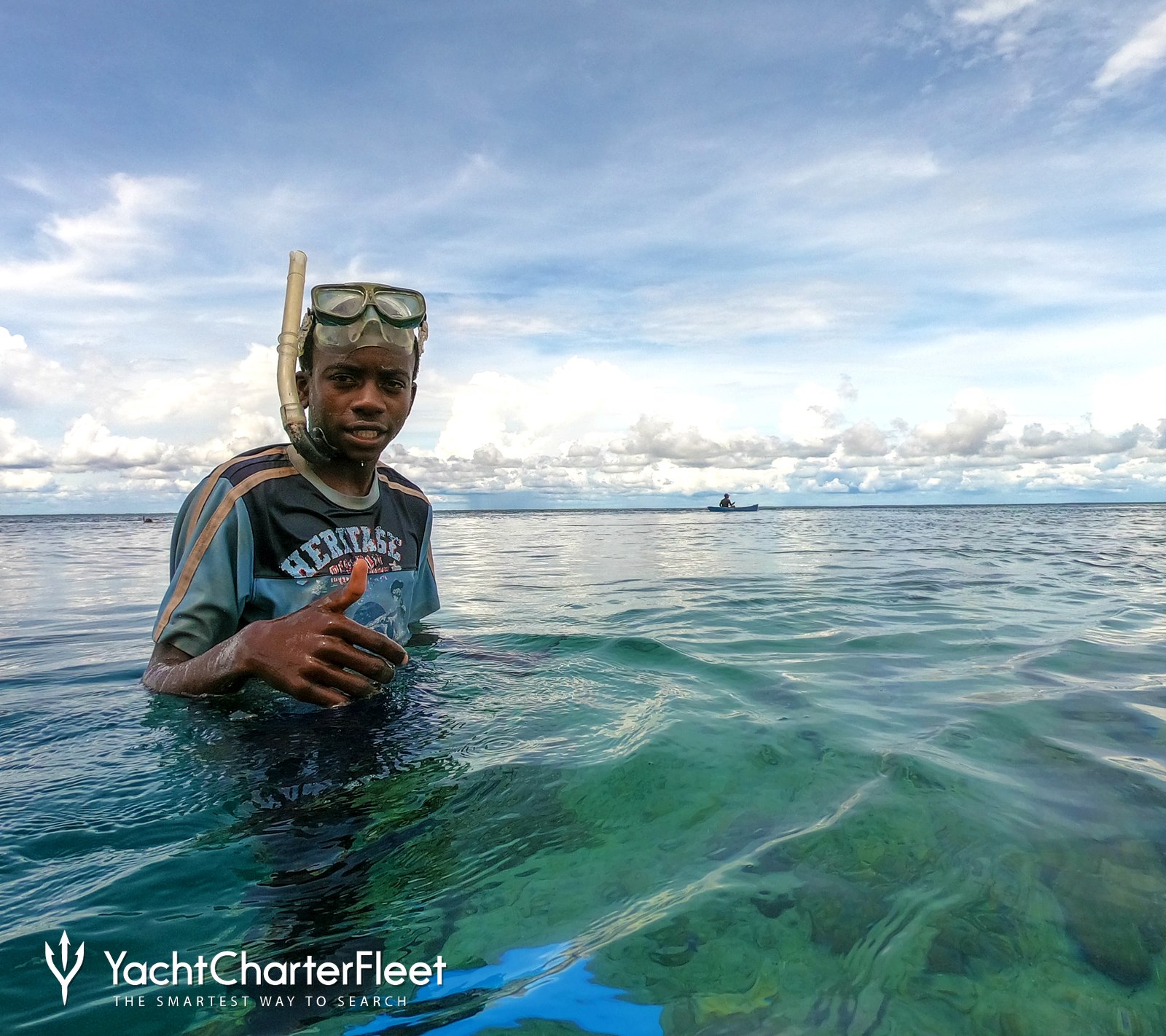
We arrived via our yacht’s tender to the shallows of the island, where we met fourteen-year-old Kafil and his friends armed with their long metal spears, basic snorkelling gear and a plastic water bottles tied around their waists to make them identifiable above the water’s surface.
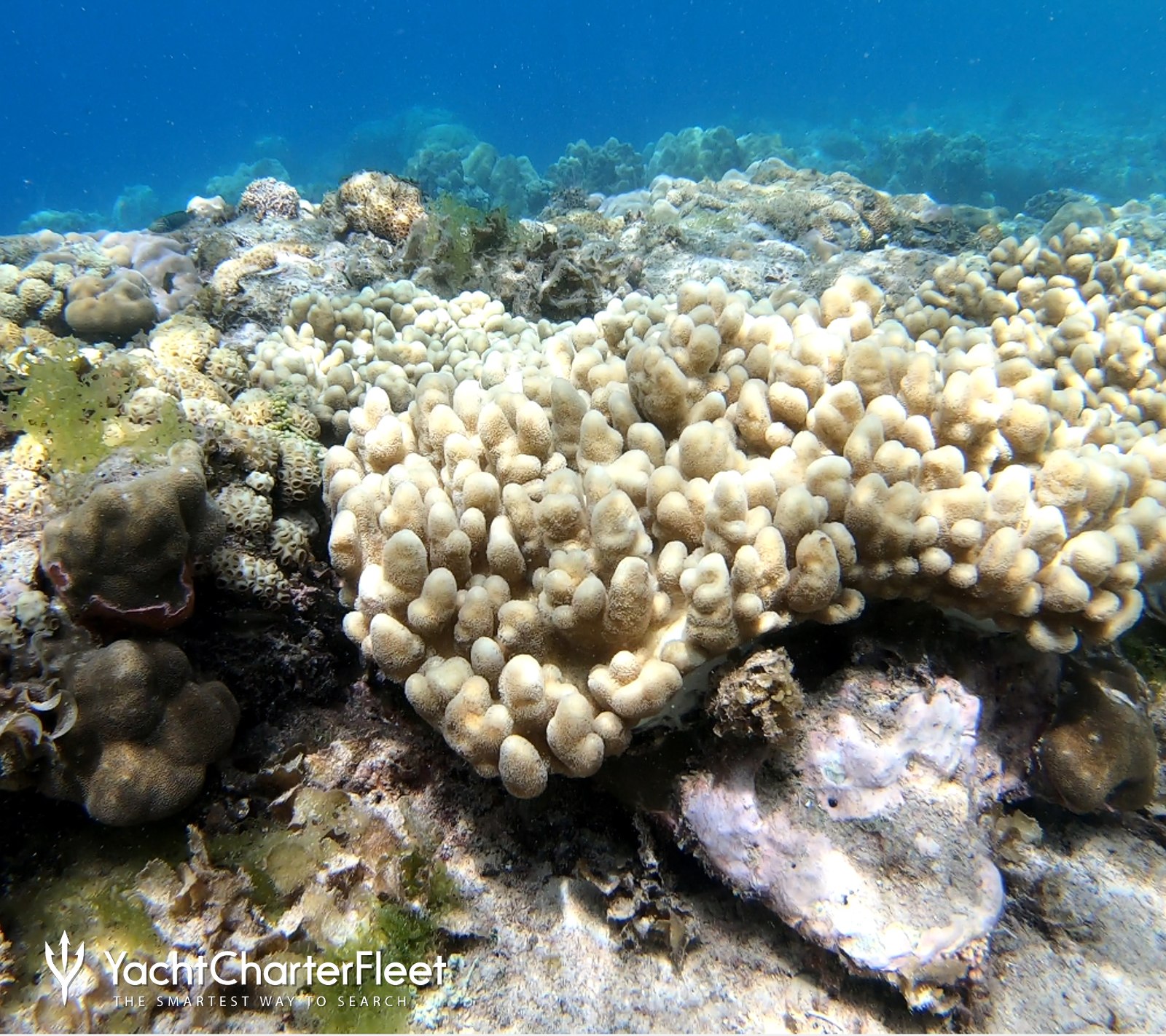
The reef where we swam was mostly shallow, with some deep crags and ravines where marine life was particularly bright and colourful. Angelfish and parrot fish floated peacefully above enormous clams, and seastars sprawled out over table coral.
It was great to see that the coral reef was healthy and flourishing, with many different species of fish contributing to this vast ecosystem.
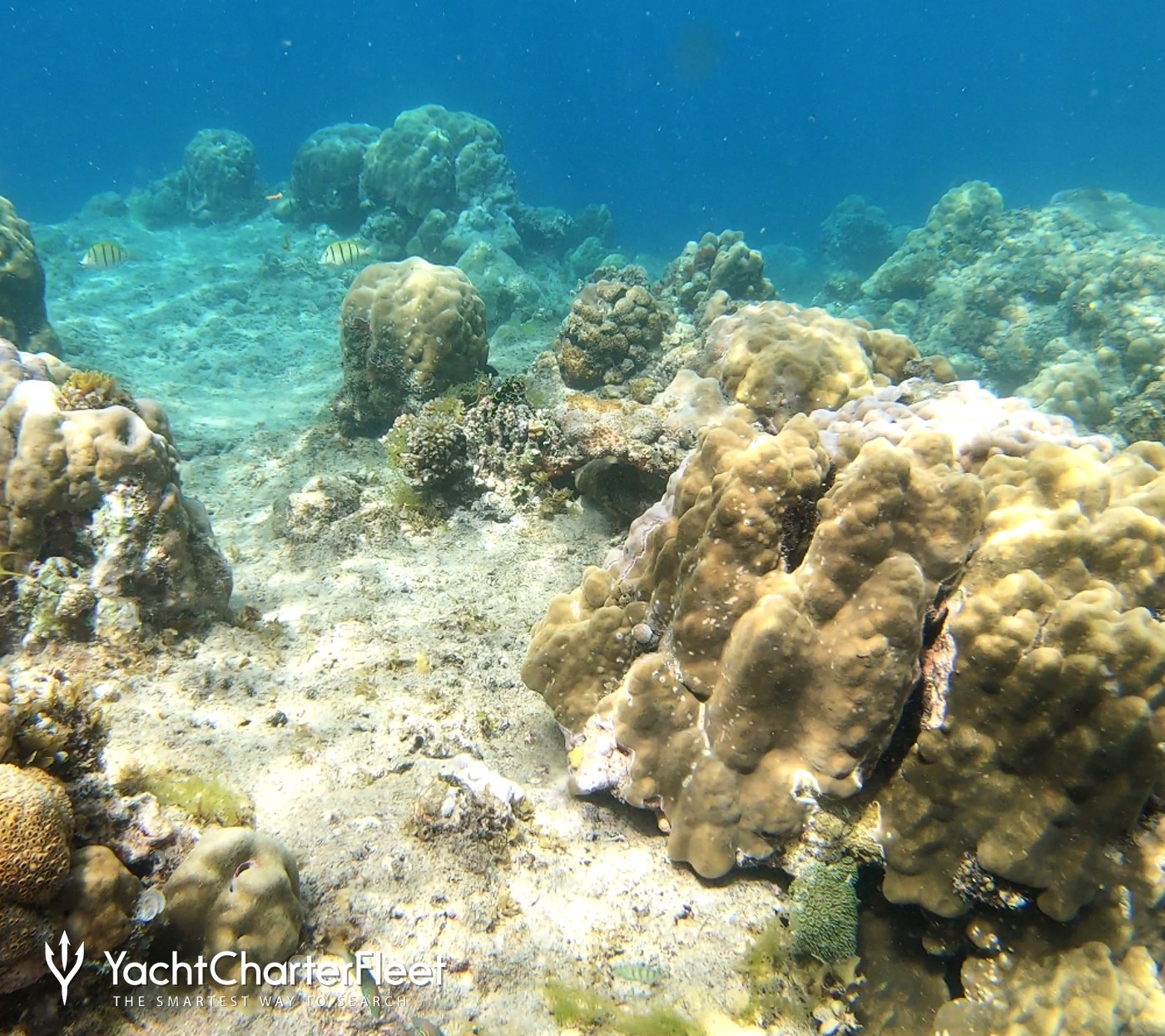
Watching the boys fish, we were amazed by how deep they were able to dive without equalising their ears. What's more, they were able to swim for long lenghts of time without coming up for air.
While we admired this wondrous underwater water world, the fishermen spent their time time diving down and checking the caves for octopus; a prime catch that would feed an entire family for days.
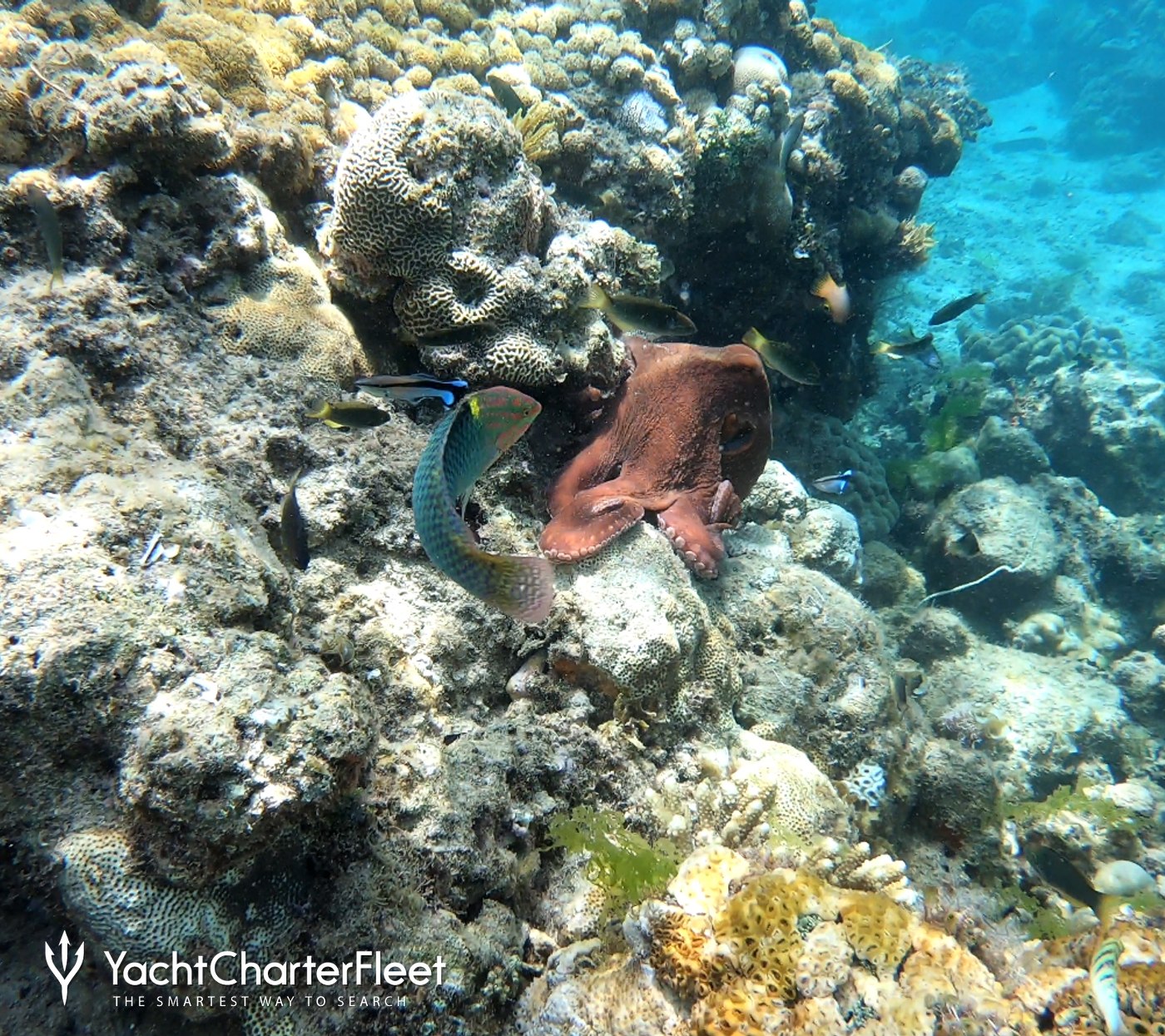
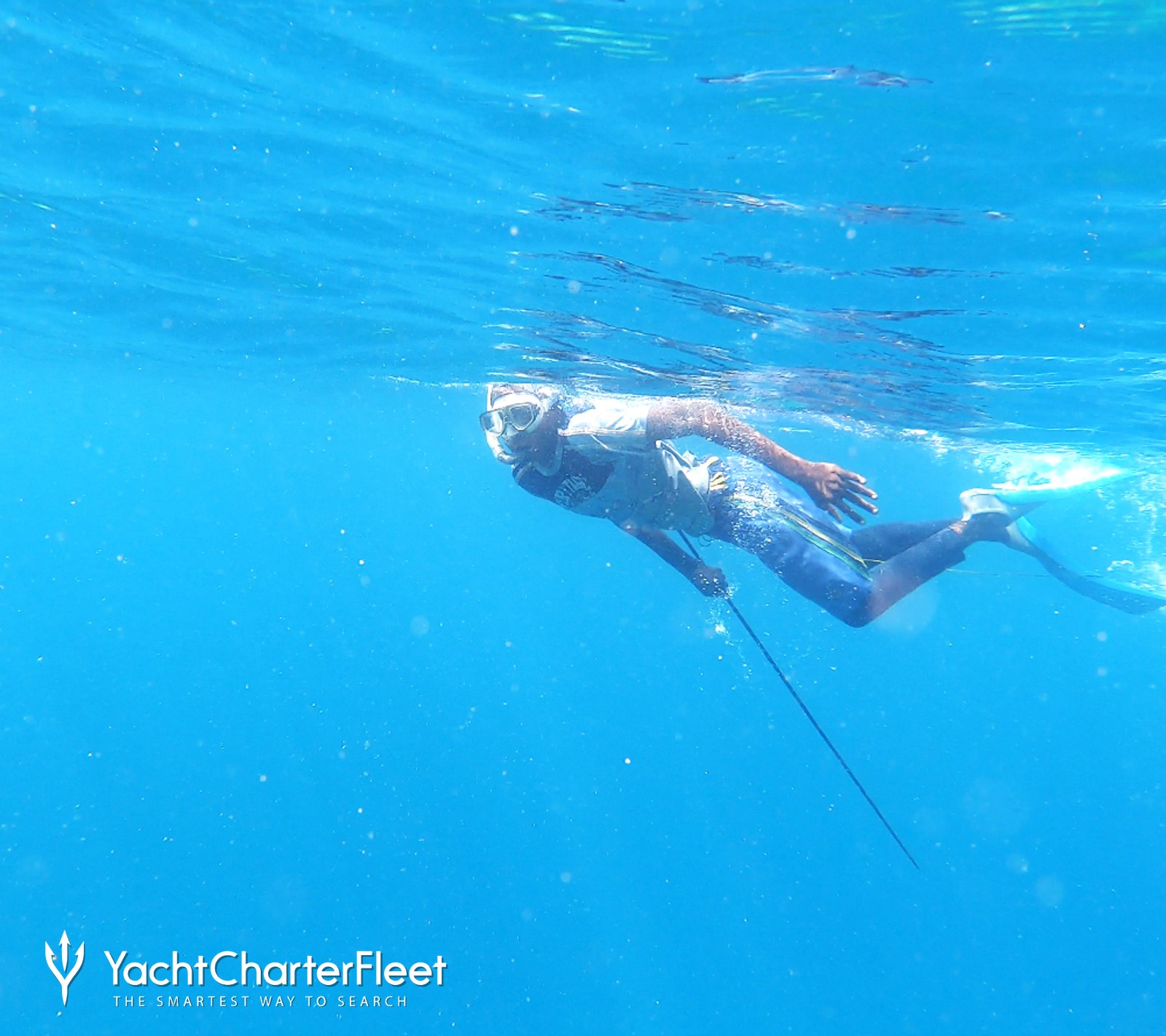
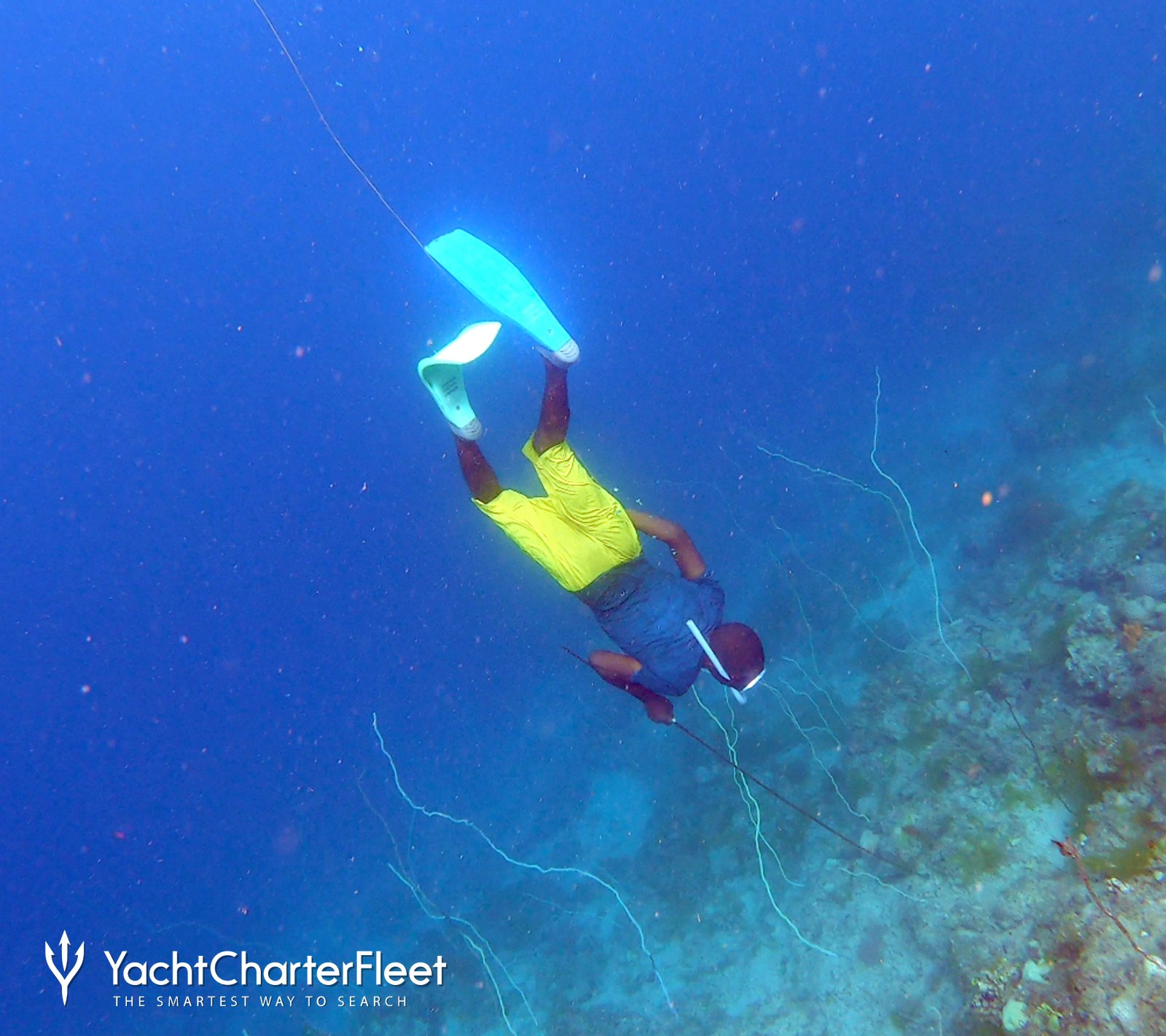
After a few hours searching, the boys caught sight of an octopus making its way out of a crevice in the reef. The creatures are usually well-camouflaged against their surrounds, but this one changed colour and temporarily became visible.
In one smooth dive, Kafil reached it and used his spear to expertly pierce and kill the octopus. Clouds of ink seeped into the water, and the octopus’ tentacles could be seen wriggling post-mortem.
As he brings his catch back to shore, the fellow fishermen congratulate him on what will be a delicious meal for him and his family.
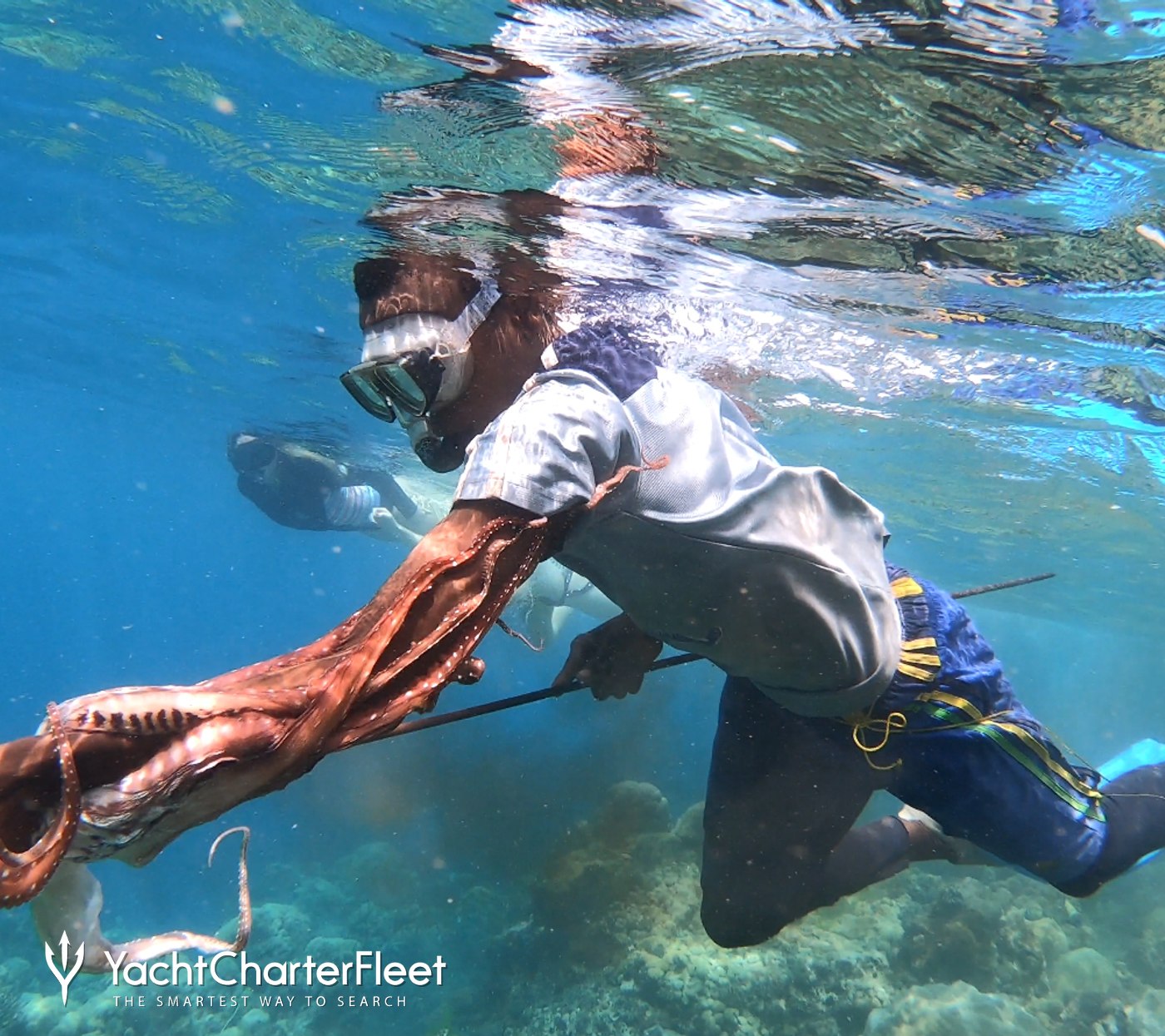
Observing this practice was a privilege, as well as an eye-opening look into how the islanders live day-to-day.
Although seeing the octopus being culled was somewhat uncomfortable, this is by far the most humane and ethical method, particularly when compared to the industrial methods used in other parts of the world. Often, octopi are left on board the fishing boat for extended periods of time before being culled, or are hung in nets and suffocated en masse.
Individually selecting each fish, rather than using fishing nets on the reef, creates minimal waste and ensures the complex ecosystems of the reef remain in tact.
If you'd like to charter a luxury yacht in East Africa, please get in touch with your preferred charter broker.