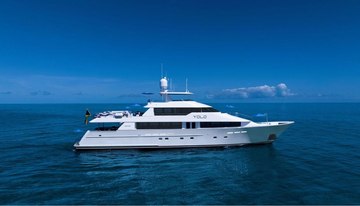
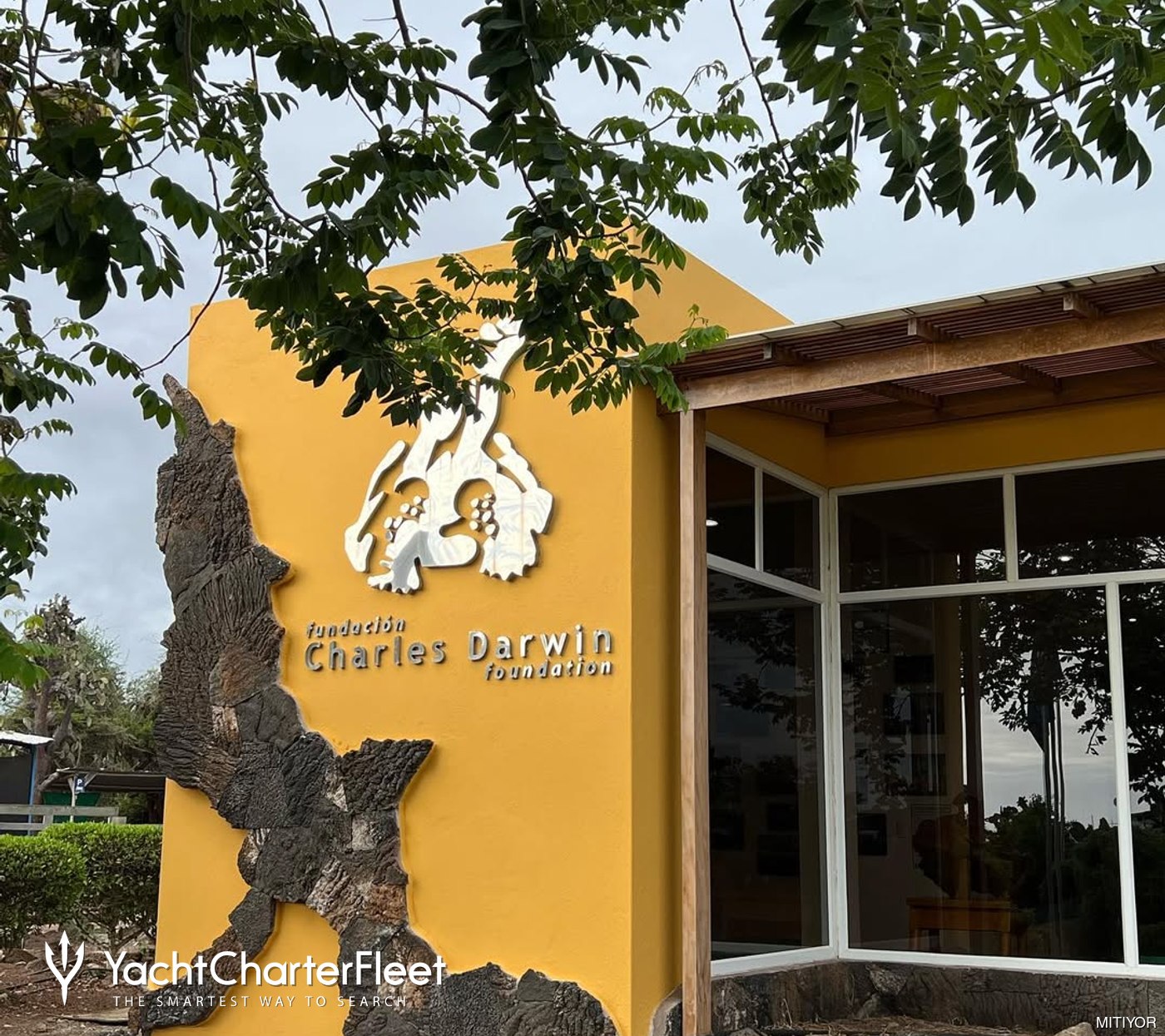
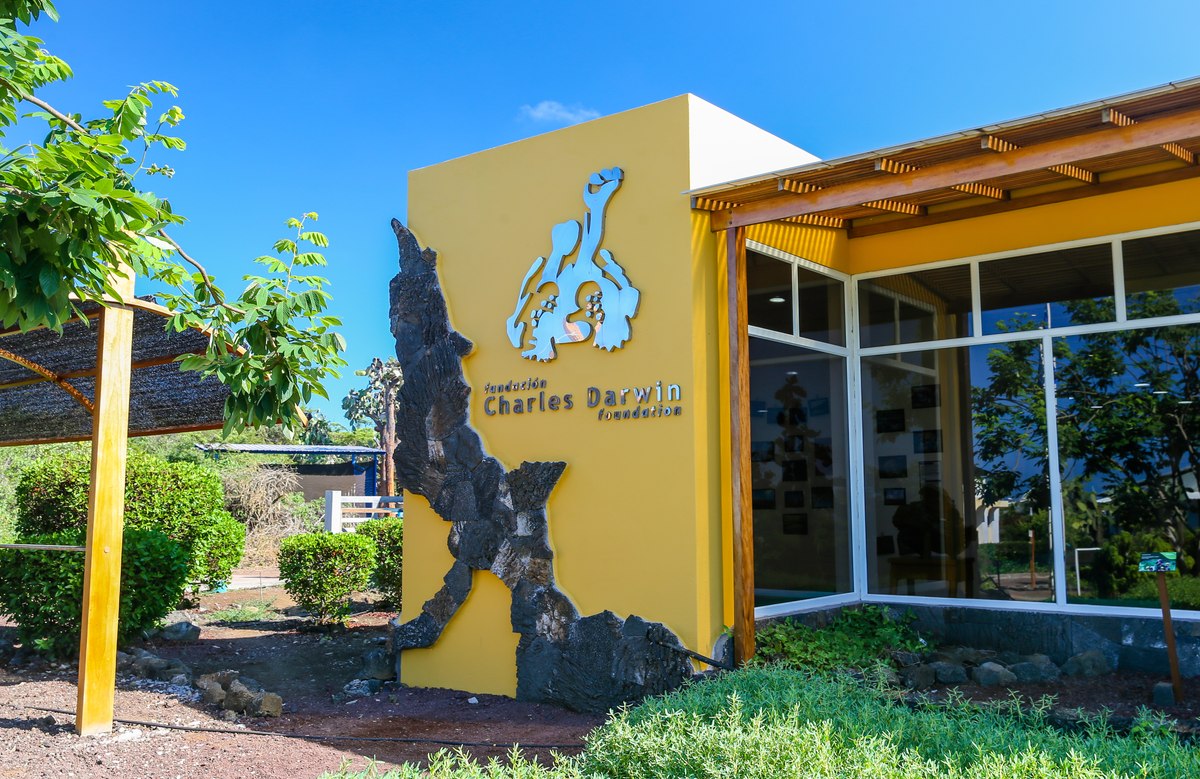
The Charles Darwin Research Station on Santa Cruz Island offers a clear look at the conservation work that shapes life in the Galapagos. Guests arrive to calm surroundings, where paths lead toward research buildings, outdoor enclosures, and displays that explain the islands’ unique ecological story.
This is one of the region’s best-known learning spaces, drawing people interested in wildlife, local history, and long-term preservation efforts. It is a place where the connection between species and environment becomes easy to see, with clear examples of how the islands developed over time.
The station focuses on research and the protection of native species. Staff and specialists work on programs that help preserve the islands’ wildlife, from studying habitats to planning projects that support long-term biodiversity. Exhibits explain these efforts in simple, engaging ways that appeal to visitors of all ages.
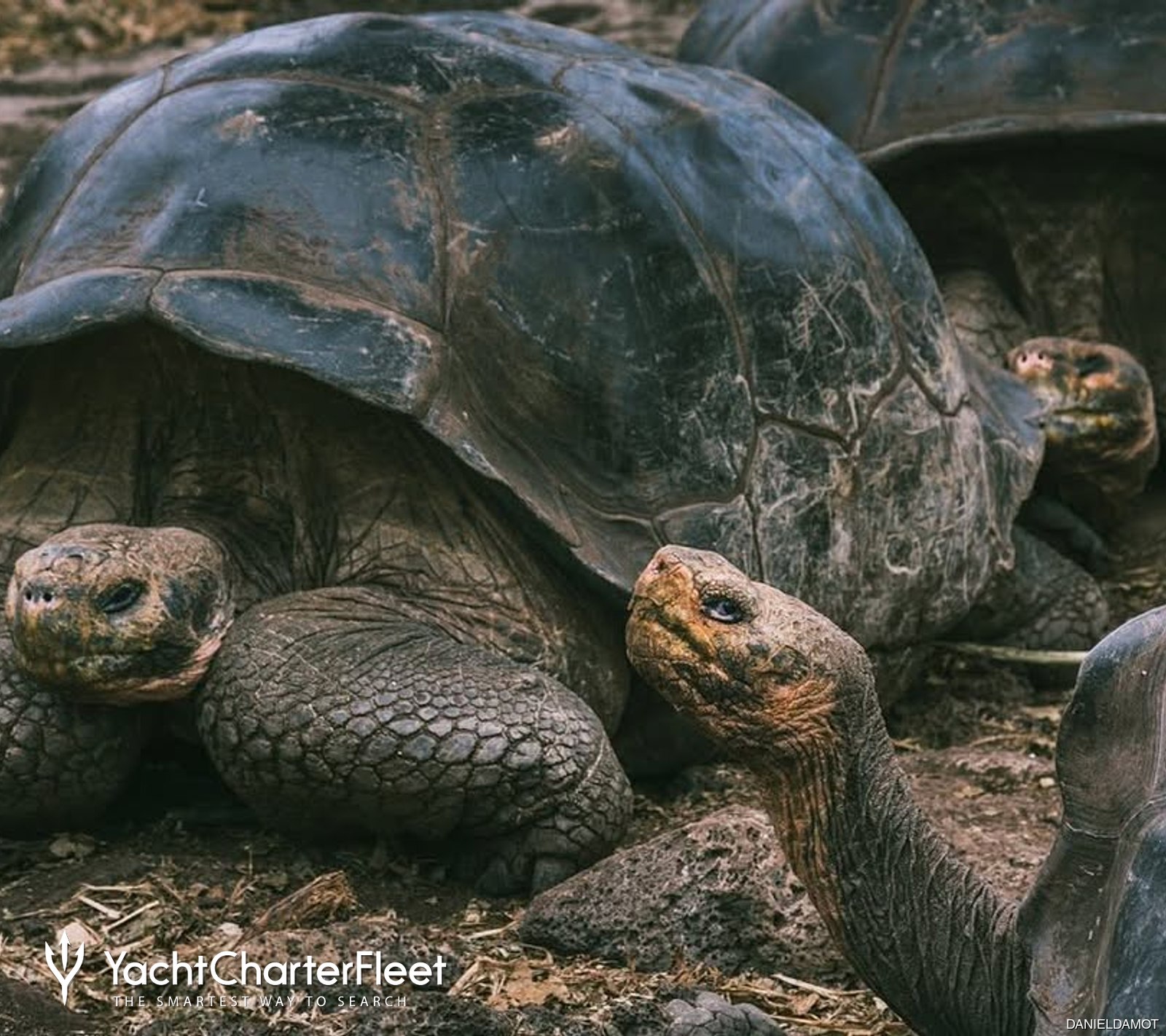
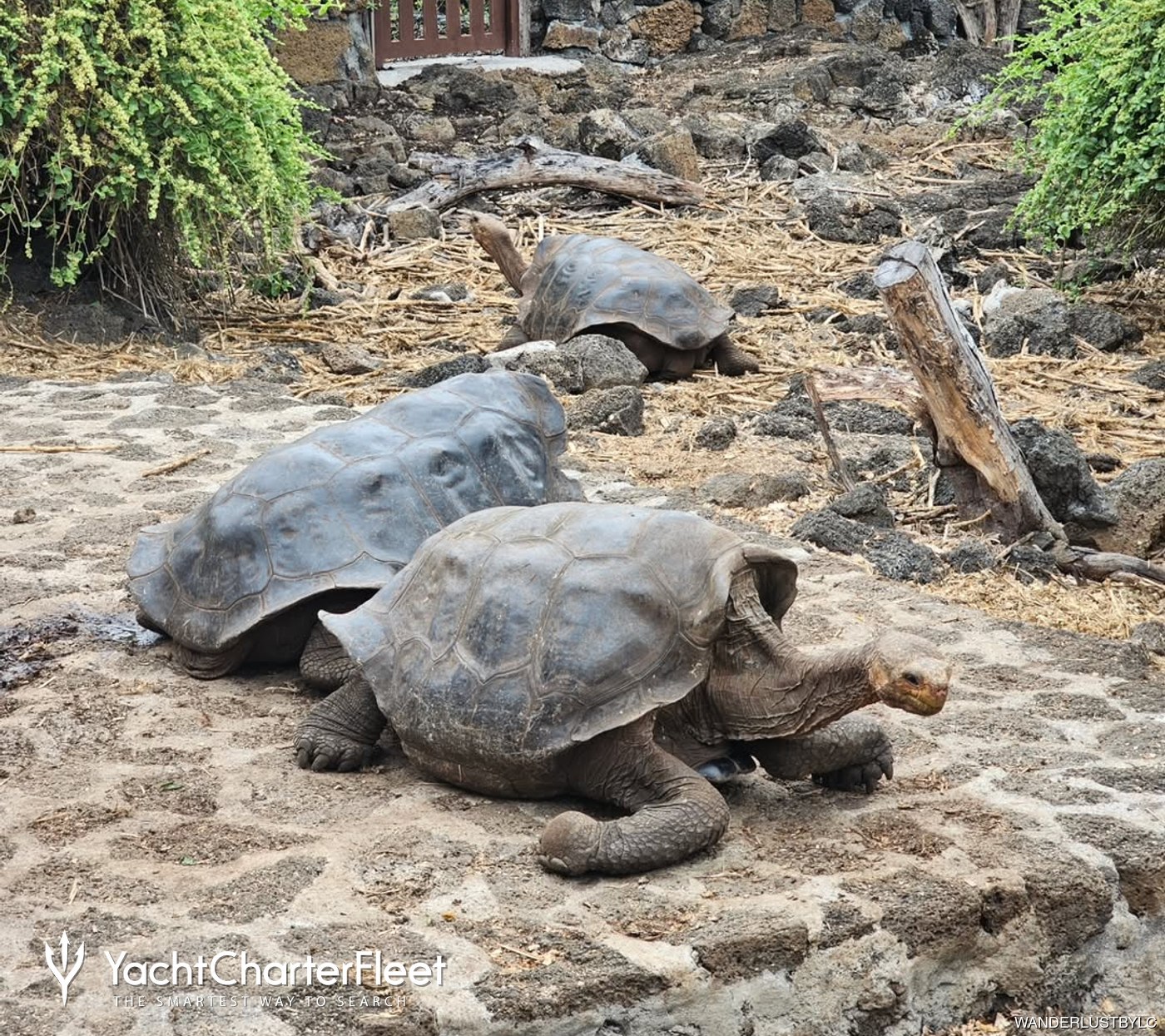
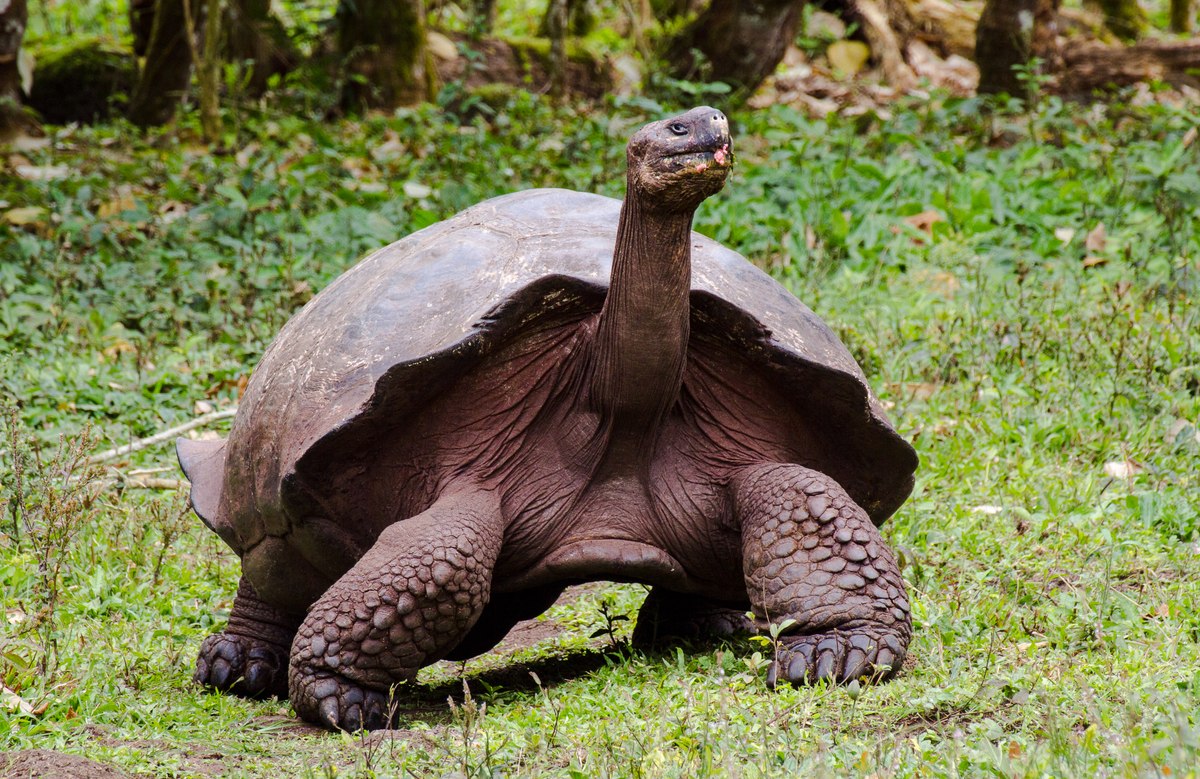
Giant tortoises are among the most recognised residents here, and the breeding areas offer insight into how they are raised, cared for, and prepared for release. The opportunity to observe them closely is often a highlight of the visit. Many guests include the station as part of a wider exploration during a Galapagos Islands yacht charter, using it as a grounding point before heading farther into the archipelago.
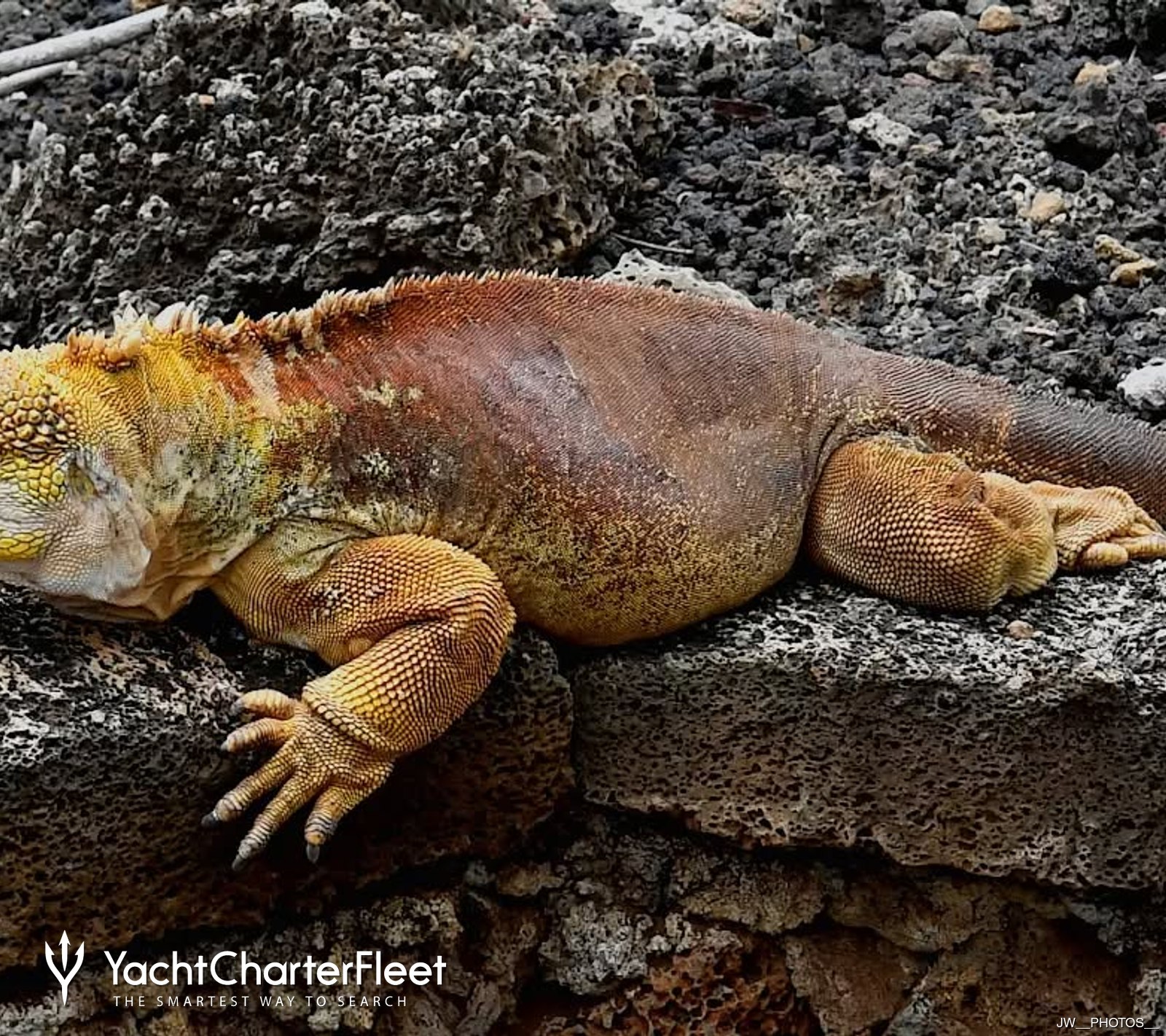
Displays throughout the station highlight the varied environments found across the islands. These include coastal areas, dry zones, and higher elevations, each with its own collection of plants and animals. Information panels explain how species adapted to these conditions and what makes the Galapagos such an important natural site.
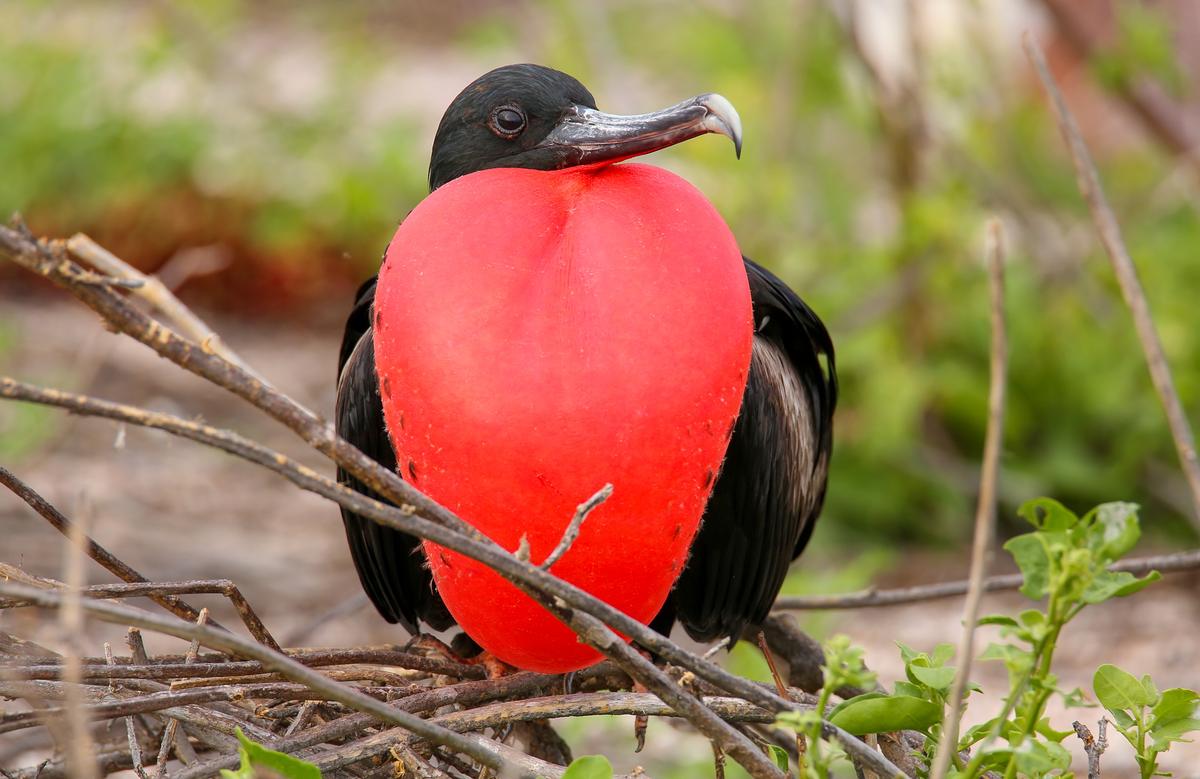
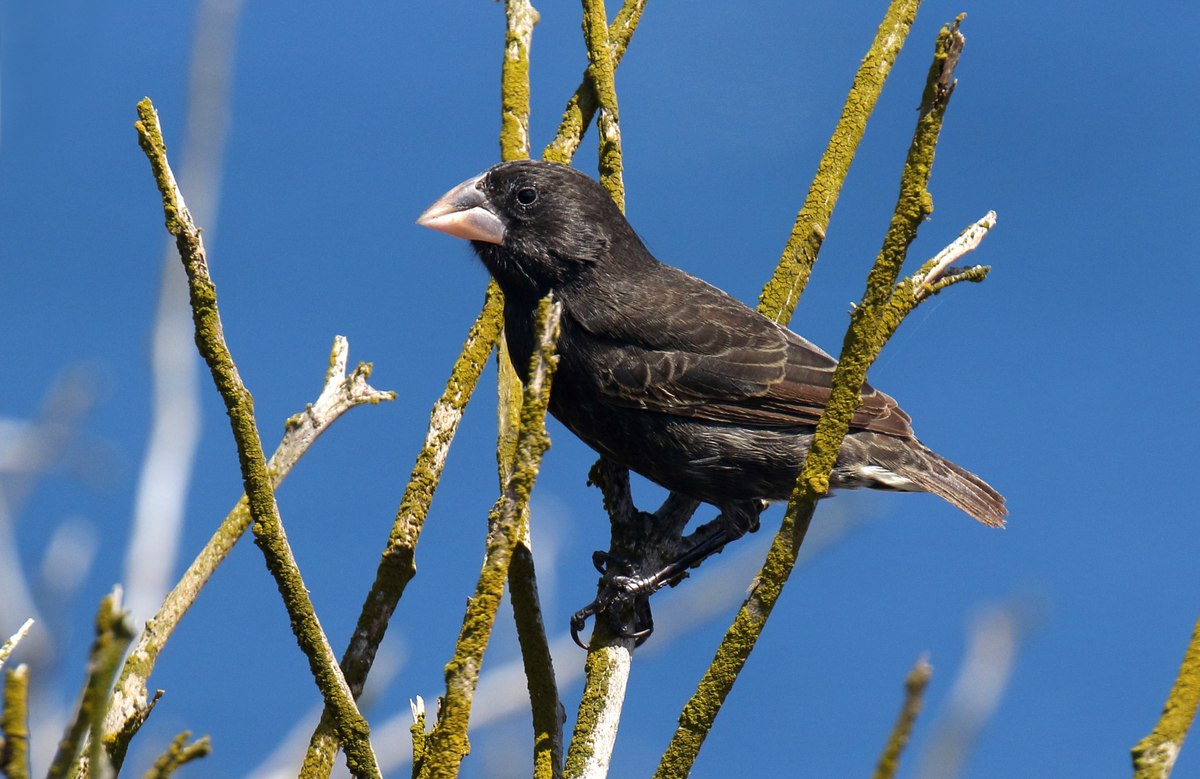
Along the walkways, it is common to see birds and smaller reptiles moving freely, adding a natural touch to the experience. The simple layout makes it easy to move between indoor and outdoor areas while taking in views of the surrounding landscape. For those visiting during a South America yacht charter, the station offers a clear introduction to the region’s ecological significance.
The station continues to evolve as new conservation challenges arise. Restoration projects target both land and marine environments, with efforts aimed at removing invasive species and improving natural habitats. These programs help maintain the delicate balance across the islands.
Visitors can join guided tours or explore at their own pace. The guides provide context for the research underway and explain how different species play roles in the broader ecosystem. This helps guests understand why preservation work matters and how it shapes the future of the islands.
Those visiting on a family yacht charter often find the station well suited for children, with simple paths, close wildlife viewing, and exhibits that explain the islands in a way younger guests can follow.
The Charles Darwin Research Station is conveniently located near Puerto Ayora, making it easy to combine with nearby beaches, coastal viewpoints, and local dining spots. Many visitors spend a few hours here before continuing to other parts of Santa Cruz or moving to neighboring islands.
For guests exploring the region by sea, time on land complements time spent along the shoreline. A yacht charter offers flexibility when linking different stops, allowing you to move between research sites, nature reserves, and quieter coves throughout the archipelago.
To coordinate any arrangements surrounding your visit, speak to a yacht charter broker who can help integrate these plans into your overall time in the Galapagos.
Charles Darwin Research Station Photos

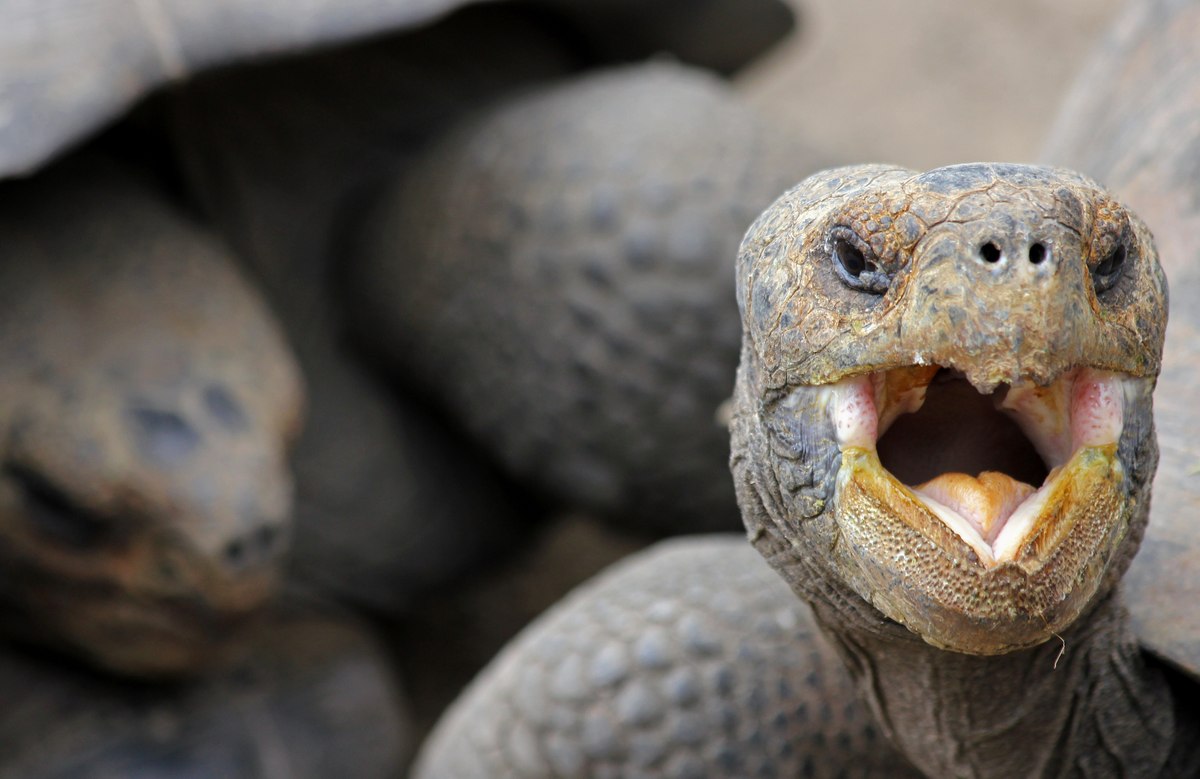

Charles Darwin Research Station
Charles Darwin Research Station
Ave Charles Darwin 854,
Puerto Ayora 200350,
Ecuador